Acoustic Strategies in Modern Casinos: The Role of Soundscapes in Enhancing Player Immersion
Written by Hugo Lorenz · May 27, 2026
Acoustic Strategies in Modern Casinos: The Role of Soundscapes in Enhancing Player Immersion
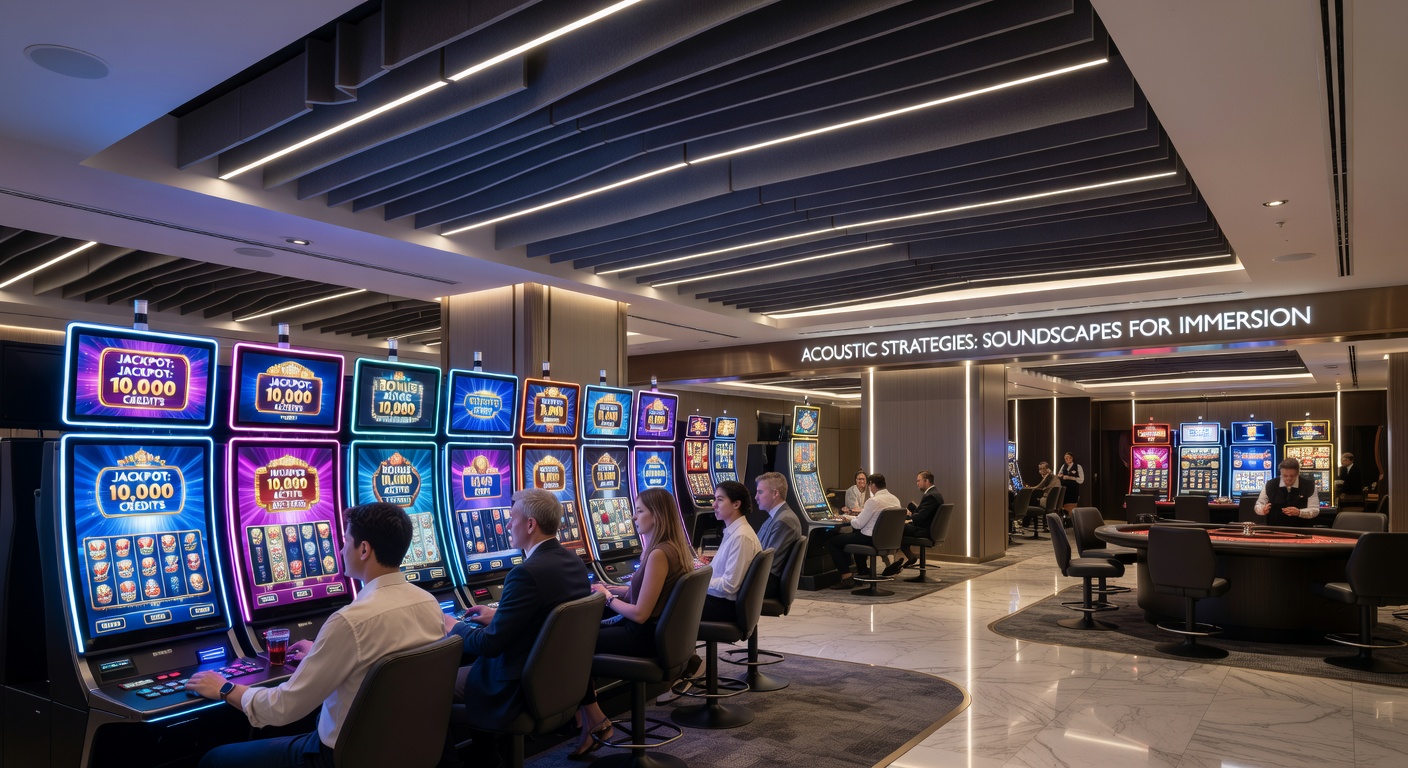
Casinos have long relied on carefully crafted acoustic environments to shape how visitors interact with gaming spaces, and soundscapes play a central role in creating sustained engagement across floors filled with slot machines, table games, and entertainment zones. Designers work with audio engineers to layer background tracks, machine chimes, and ambient effects that align with peak hours and crowd patterns, while data from visitor tracking systems helps refine these elements over time.
Core Components of Casino Sound Design
Slot machines produce distinct audio signatures that include celebratory jingles for wins alongside subtle tones that encourage continued play, and these sounds get calibrated to blend with overarching music selections that shift from upbeat tempos during busy evenings to more subdued rhythms in quieter morning periods. Table game areas often feature lower volume profiles with minimal electronic overlays, which allows conversation and dealer calls to remain clear while preventing sound bleed from adjacent zones. Observers note that strategic placement of speakers and directional audio arrays helps isolate experiences, so players at high-limit tables encounter different acoustic cues than those navigating the main gaming pits.
Research indicates that integrated sound systems draw from psychoacoustic principles, where frequency ranges and volume gradients influence perceived time passage and comfort levels. Facilities in Las Vegas and Atlantic City have adopted zoned audio controls that respond to real-time occupancy sensors, adjusting output to maintain consistent immersion without overwhelming any single section. Such approaches build on earlier experiments with piped-in music from the mid-20th century, yet current implementations incorporate digital signal processing that adapts to external noise factors like nearby construction or event stages.
Player Behavior and Acoustic Influences
Studies from university research teams have examined how specific sound profiles correlate with session durations and wager patterns, revealing that layered ambient tracks paired with reward sounds tend to extend play intervals in controlled environments. One analysis conducted across multiple properties showed measurable differences in foot traffic flow when audio transitions were smoothed between gaming sections and dining areas, while abrupt changes sometimes prompted quicker exits. Data from these projects highlights the value of gradual volume curves and thematic consistency, particularly in resorts that combine gaming with live performances or nightlife venues.
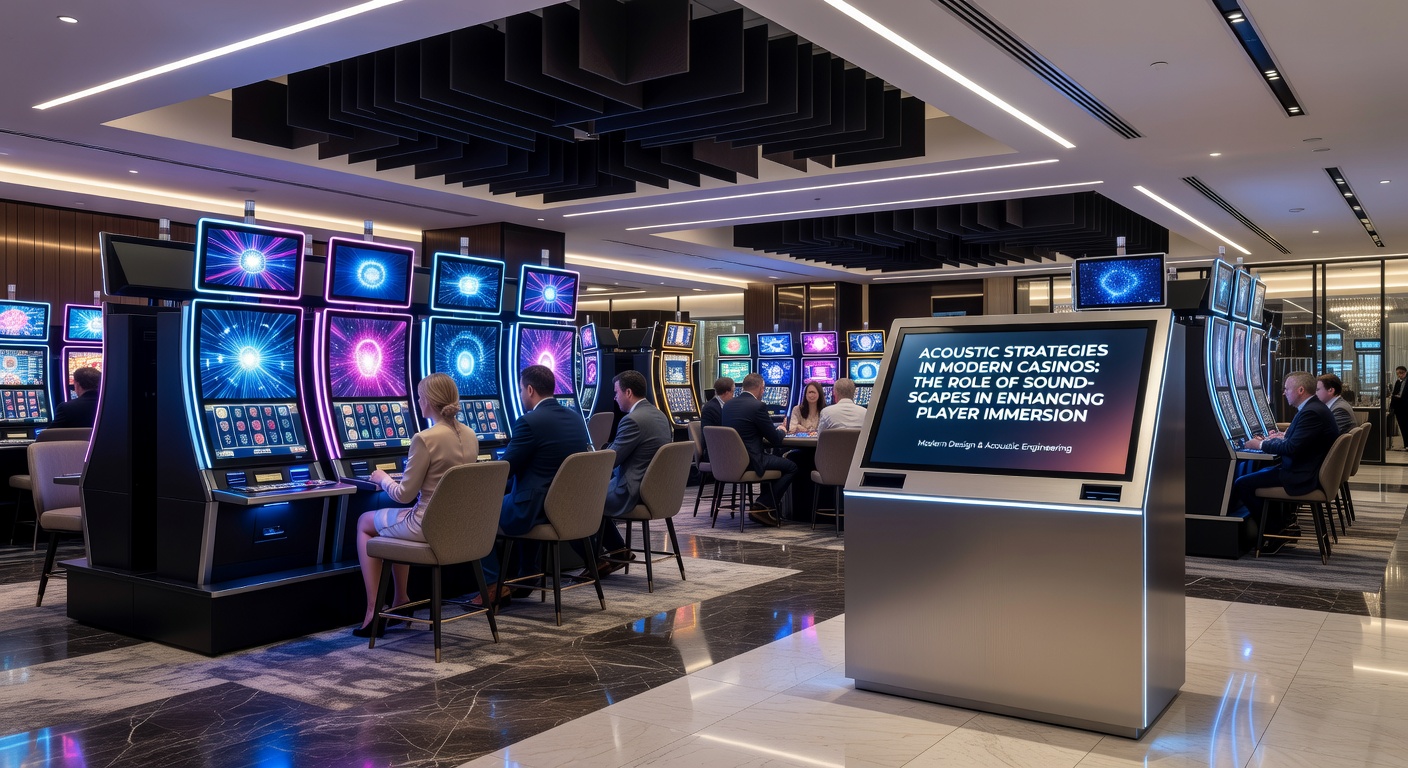
Technological upgrades continue to expand options for operators, with spatial audio formats and AI-driven mixing tools allowing finer adjustments based on historical attendance records. In May 2026 the Global Gaming Expo will include dedicated panels on these innovations, where engineers plan to demonstrate prototypes that synchronize soundscapes with lighting and digital signage for unified sensory effects. Such developments build directly on existing infrastructure while addressing demands for personalized experiences through mobile apps that let select patrons modulate nearby audio feeds within approved limits.
Regulatory Frameworks and Industry Standards
Compliance requirements from bodies like the Nevada Gaming Control Board Nevada Gaming Control Board cover noise levels and equipment standards, ensuring that acoustic designs meet safety thresholds without restricting creative applications. Similar guidelines appear in other jurisdictions, including oversight from the Victorian Commission for Gambling and Liquor Regulation in Australia, which evaluates environmental impacts alongside operational metrics. Industry reports compiled by trade groups emphasize that effective sound management supports both player retention and staff well-being, with acoustic mapping now forming part of routine facility audits.
Case examples from properties in Macau and Singapore illustrate how cultural considerations shape audio choices, incorporating regional musical motifs alongside universal gaming cues to broaden appeal for international visitors. These installations undergo iterative testing periods where feedback from operational teams informs refinements, resulting in systems that evolve alongside seasonal promotions and tournament schedules. Observers note that cross-property benchmarking helps identify successful patterns, particularly when shared through conferences focused on venue operations and technology integration.
Conclusion
Acoustic strategies in modern casinos represent an evolving intersection of engineering, behavioral research, and regulatory oversight that continues to influence how gaming environments function on a daily basis. As new tools emerge and data collection methods improve, facilities maintain focus on balanced implementations that support operational goals while adhering to established standards across regions. The role of soundscapes remains integral to overall design frameworks, with ongoing projects set to refine these elements further in the years ahead.