Audio Architecture in Casinos: Elements That Shape Extended Player Engagement on Gaming Floors
Written by Hugo Lorenz · Jul 25, 2026
Audio Architecture in Casinos: Elements That Shape Extended Player Engagement on Gaming Floors
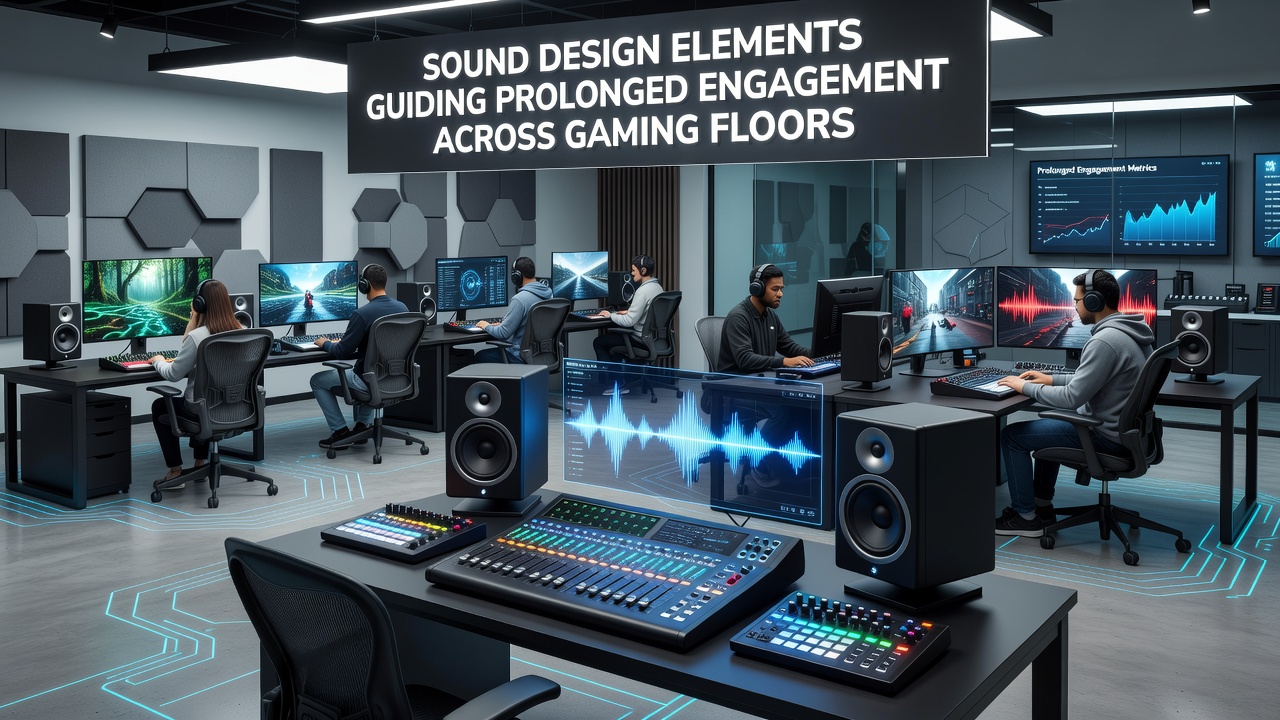
Sound design in casino environments combines layered audio tracks, frequency adjustments, and timed cues that influence how long visitors remain at gaming stations, with operators applying these techniques across floors to sustain activity patterns observed in multiple venues worldwide.
Research from institutions such as the University of Nevada, Las Vegas indicates that specific audio frequencies between 200 and 800 hertz appear more frequently in slot machine programming because they align with human auditory sensitivity ranges, and data collected from monitored sessions shows correlations with extended play intervals when these tones repeat at intervals of 15 to 30 seconds.
Core Components of Casino Sound Layers
Ambient background tracks form the base layer in most large gaming areas, where low-volume music selections with steady tempos around 60 to 80 beats per minute run continuously while individual machine sounds overlay them at higher volumes during active play periods. Observers note that this stacking approach prevents complete silence during lulls yet avoids overwhelming peaks that might prompt quicker exits.
Jackpot and win alerts operate as distinct event-driven elements, often using ascending pitch sequences and short musical phrases that carry across sections of the floor. According to figures from the Nevada Gaming Control Board, venues reporting higher average session durations also maintain coordinated alert timing so that multiple machines trigger within overlapping windows rather than isolated bursts.
Frequency Modulation and Player Response Patterns
Engineers adjust the balance between high-frequency chimes above 2000 hertz and mid-range tones to create contrast that draws attention without fatigue, and studies tracking eye movement alongside audio exposure have recorded longer dwell times at stations where these contrasts occur at irregular intervals between three and seven minutes. This irregularity appears to reduce habituation compared with fixed schedules.
Volume curves rise gradually during peak evening hours and recede overnight, a practice documented in operational logs from properties in Macau and Atlantic City. Those adjustments coincide with shifts in crowd density, allowing the same physical space to support different engagement levels without requiring structural changes.
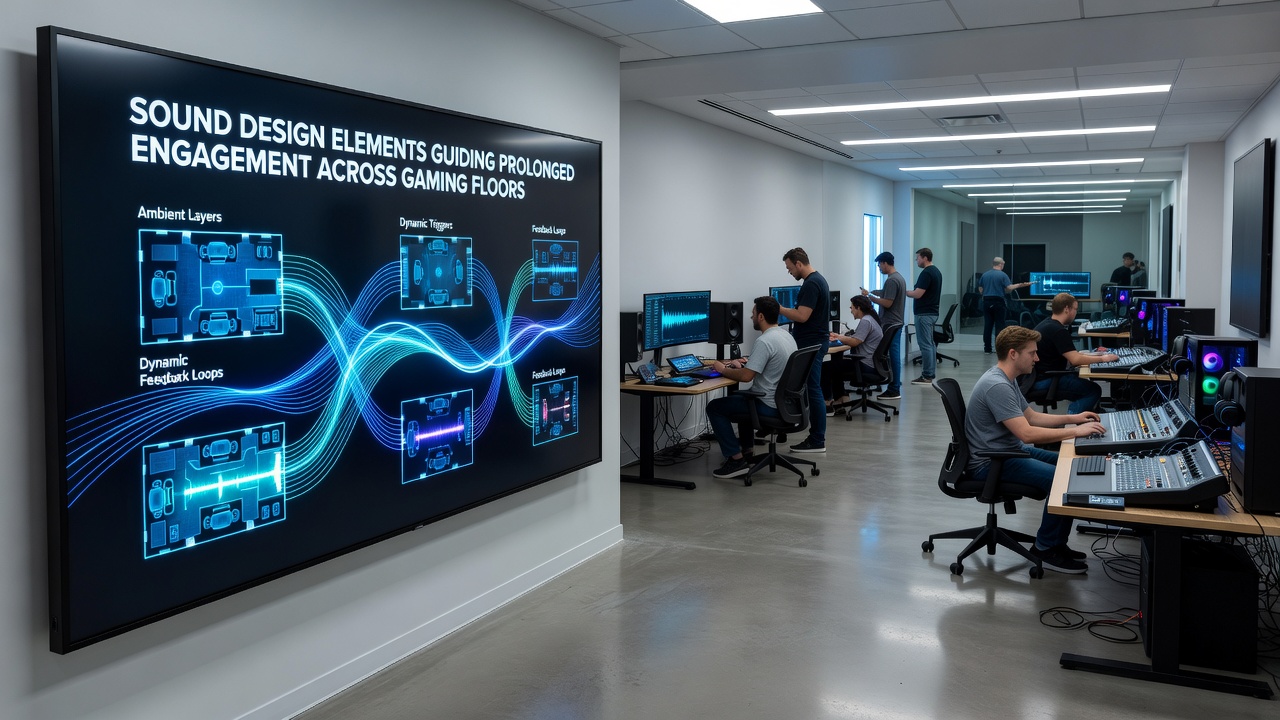
Directional speakers mounted above gaming banks allow operators to create localized audio zones, so that a player hears stronger machine feedback from their immediate station while neighboring sounds remain softer. This zoning technique limits spillover that could otherwise create competing audio streams and shorten individual sessions.
Integration with Lighting and Environmental Controls
Audio timing often aligns with lighting cycles, where dimmer transitions coincide with softer musical passages and brighter accents match win alerts. Records from properties that introduced synchronized systems in 2024 show measurable increases in average time spent per visit compared with earlier unsynchronized setups, though exact percentages vary by location and game mix.
Seasonal programming updates occur in several jurisdictions, with operators swapping background tracks to reflect holidays or local events. Data compiled by the Australian Institute of Criminology notes that such changes maintain novelty for repeat visitors and correlate with steadier attendance figures through the first half of each year.
Regulatory Context and Measurement Standards
Guidelines issued by bodies including the Casino Regulatory Authority of Singapore require documentation of maximum sound pressure levels across public areas, and compliance reports filed through July 2026 continue to emphasize monitoring equipment placement at multiple points on each floor. These requirements ensure that sound remains within ranges that support rather than disrupt sustained activity.
Third-party audits compare pre-installation and post-installation session data at venues adopting new audio configurations. The resulting reports, shared with industry associations such as the American Gaming Association, provide operators with benchmarks for adjusting cue timing and zone volumes based on observed retention metrics.
Conclusion
Sound design elements in casino settings rely on coordinated layers, frequency choices, and timed events that connect directly to measurable engagement durations across gaming floors. Continued refinement of these systems follows data from regulatory filings and academic tracking studies, allowing venues to maintain consistent audio environments that align with visitor behavior patterns observed through 2026.