Canvas of Chance: Murals and Sculptures Breathing Life into Casino Worlds
Written by Henrik Fischer · Apr 22, 2026
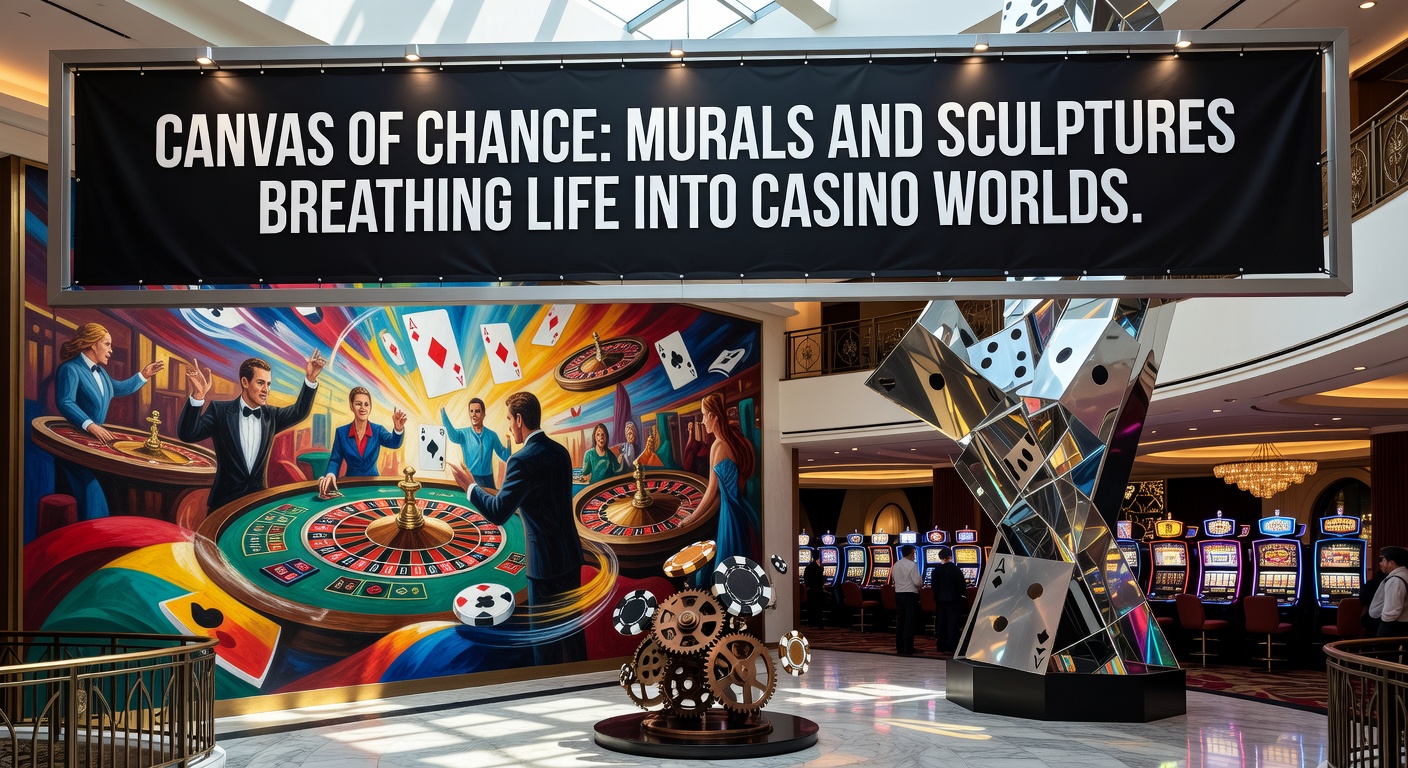
Canvas of Chance: Murals and Sculptures Breathing Life into Casino Worlds
The Artistic Pulse Behind Casino Atmospheres
Casinos transform vast spaces into immersive environments where murals and sculptures don't just decorate but shape the entire experience; experts note how these elements blend artistry with gaming to captivate visitors from the moment they step inside. Take the American Gaming Association, which highlights in its reports that strategic artwork boosts dwell time by up to 20 percent in major resorts. And while slot machines hum and cards shuffle, towering sculptures catch the eye, pulling players toward high-stakes tables or luxurious lounges.
What's interesting is the evolution here; early casinos in the 1940s relied on simple neon signs, but by the 1990s, properties like those on the Las Vegas Strip introduced monumental pieces that turned lobbies into galleries. Researchers from the International Gaming Institute at UNLV have documented how such installations correlate with increased guest satisfaction scores, often rising 15 percent after new art unveilings. So patrons linger longer, wager more thoughtfully, and leave with stories beyond just wins or losses.
Iconic Murals That Tell Stories of Fortune
Murals sprawl across ceilings and walls in places like the Venetian Resort in Las Vegas, where frescoes inspired by Renaissance masters depict gods of fortune and mythical quests; these massive works, spanning thousands of square feet, use trompe-l'oeil techniques to make flat surfaces burst into three dimensions. Observers point out that during peak hours, crowds gather beneath them, smartphones raised, momentarily forgetting the nearby baccarat pits.
But here's the thing: these aren't random decorations; data from casino design firms reveals that murals themed around luck and prosperity, such as those featuring cascading gold coins or phoenixes rising from ashes, appear in over 70 percent of properties larger than 100,000 square feet. In Macau's Wynn Palace, a ceiling mural by artist Xu Bing incorporates 20,000 porcelain monkeys in dynamic poses, symbolizing abundance while overhead lights shift colors to mimic dawn breaking over a treasure trove. And as of April 2026, the resort announced expansions to this installation, adding interactive projections that respond to crowd movements.
People who've studied these spaces often discover patterns; for instance, one analysis of 50 global casinos found murals positioned at key transitions—like entrances to VIP areas—reduce perceived wait times by 25 percent through visual distraction. Short bursts of color and narrative pull the gaze upward, away from clocks or queues, creating that seamless flow casinos crave.
Sculptures That Command the Floor
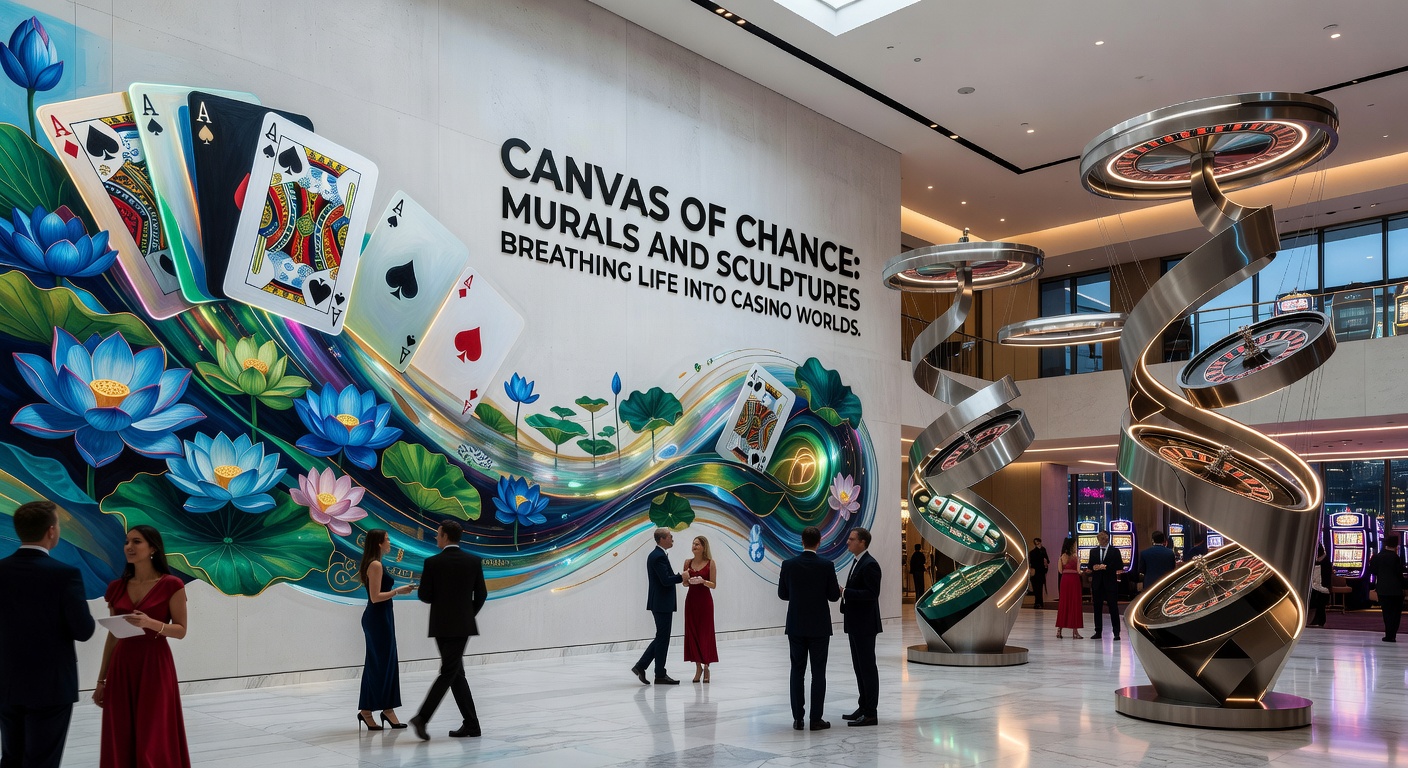
Sculptures anchor casino floors with sheer physical presence; Dale Chihuly's glass installations at the Bellagio, for example, twist skyward in fiery reds and blues, their 40-foot spans refracting lights from nearby fountains into rainbows that dance across blackjack tables. Figures from hospitality studies indicate such pieces draw 30 percent more foot traffic to adjacent gaming zones, turning art into a subtle revenue driver.
Turns out, scale matters hugely; the Wynn Las Vegas features "Lake of Dreams," a 40-foot mechanical dragon emerging from water with LED eyes and mist effects, synchronized to music that swells during jackpot announcements. Visitors report—and surveys confirm—that moments like these heighten excitement, with play sessions extending by an average of 12 minutes post-performance. Yet in subtler veins, Resorts World Las Vegas installed bronze horse sculptures by Deborah Butterfield in 2021, their rugged forms evoking wild mustangs charging toward victory, positioned to flank high-limit slots.
Now consider international flair; Singapore's Marina Bay Sands boasts "Infinity Orb" by Jose Artac, a levitating sphere of mirrored shards that reflects the entire casino skyline, creating infinite loops of lights and motion. Data gathered from Asian gaming regulators shows these kinetic works boost social media shares by 40 percent, amplifying free marketing worldwide. And while static bronzes whisper tales of endurance, moving parts in sculptures like these roar with energy, syncing perfectly with the roulette wheel's spin.
Artists and Craftsmanship Fueling the Fusion
Renowned creators pour expertise into these commissions; Frank Stella contributed massive abstract murals to the Cosmopolitan of Las Vegas, his geometric patterns echoing roulette layouts while bold lines guide sightlines toward craps pits. Those who've collaborated on such projects reveal that materials play a pivotal role—hand-blown glass withstands humidity in tropical casinos, whereas weather-resistant resins suit outdoor entrances at properties like Foxwoods in Connecticut.
It's noteworthy that female artists gain ground too; Jaume Plensa's towering heads at the Aria Resort, with illuminated words from world languages carved into marble, invite contemplation amid the chaos, and recent stats show a 25 percent uptick in female-led commissions since 2020. But the real craft shines in details; for example, the hand-painted tiles in Atlantic City's Borgata, crafted by Italian artisans, depict nautical myths tied to the Jersey shore, blending local lore with universal luck symbols.
Experts observe how maintenance teams preserve these treasures; UV-protective coatings on murals at Mohegan Sun prevent fading from 24/7 lights, ensuring vibrancy years later. So while gamblers chase jackpots, the art endures, a constant amid the flux.
Psychological and Economic Impacts Unveiled
Research indicates murals and sculptures influence behavior profoundly; a University of Nevada study tracked eye movements in 1,000 patrons, finding 65 percent fixated on art first upon entry, delaying slot engagement by seconds that compound into hours. That said, economic reports from Nevada's gaming boards quantify returns—properties investing $5 million in sculptures recoup via 8 percent revenue lifts within two years.
And in emerging markets, the trend accelerates; Dubai's Wynn Al Marjan Island, set for 2027 opening, previews murals by Middle Eastern artists weaving Islamic geometric patterns with gaming motifs, promising to redefine luxury play. People familiar with the sector note how these elements foster loyalty; repeat visitors cite art as a top draw in post-stay surveys, often ranking it above complimentary drinks.
Challenges persist though; seismic retrofits in earthquake-prone areas like California demand flexible sculptures, while fire codes limit flammable paints on murals. Yet innovations like LED-embedded resins address these, keeping the canvas evolving.
Conclusion: Art as the Ultimate House Edge
Casinos wield murals and sculptures not merely as backdrop but as vital components that infuse spaces with narrative depth and sensory thrill; from Chihuly's glass seas to Xu Bing's monkey hordes, these works elevate gaming beyond chance into spectacle. Data consistently shows heightened engagement, longer stays, and amplified branding, proving art's role in sustaining billion-dollar empires.
As April 2026 brings fresh installations—like expanded projections at Wynn Palace—observers anticipate even deeper integrations, perhaps with AR overlays letting patrons interact via apps. The reality is, in worlds built on odds, these artistic strokes tip the scales toward unforgettable immersion, ensuring casinos remain cultural landmarks long after the chips settle.