Charting Digital Pathways: Entry Structures and Visual Sequences in Casino Resource Centers
Written by Henrik Fischer · Jul 20, 2026
Charting Digital Pathways: Entry Structures and Visual Sequences in Casino Resource Centers
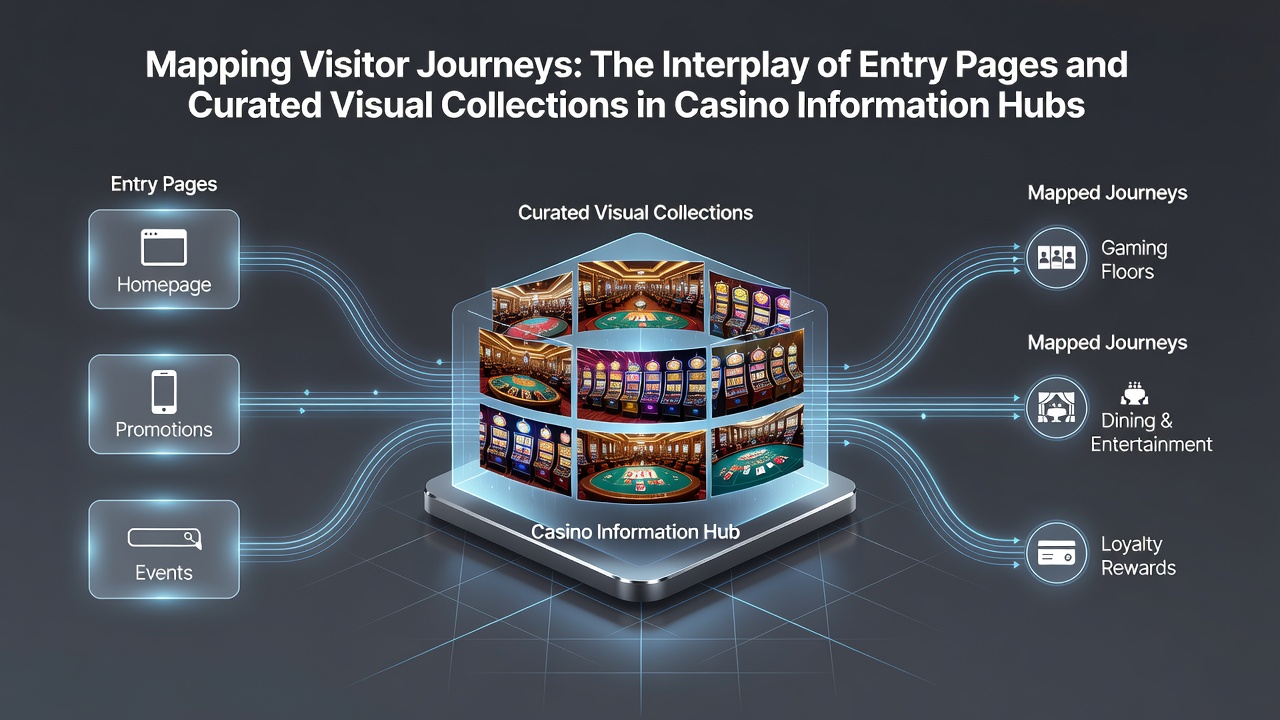
Entry pages serve as the primary gateways in casino information hubs, where users first encounter structured layouts that combine text navigation with visual cues, and these initial points set the direction for subsequent exploration. Research from the University of Nevada, Reno indicates that homepage designs incorporating both menu hierarchies and prominent image placements increase session depth by guiding visitors toward specific content clusters. Data shows that when entry points feature sequential visual prompts, users progress through thematic sections at higher rates than when presented with text-only interfaces.
Entry Page Mechanics and Initial User Engagement
Homepage structures in these hubs typically organize content into layered categories that link to gaming overviews, venue profiles, and regulatory updates, while visual elements appear as banners or thumbnail grids that hint at deeper collections. Observers note that platforms maintained by operators in Nevada and Atlantic City often integrate live data feeds into their landing areas, allowing immediate access to current promotions or compliance notices. Those who've studied user flows find that entry pages with clear visual anchors reduce bounce rates because visitors identify relevant paths without excessive scrolling or searching.
But here's the thing, the effectiveness stems from how these pages balance textual menus with image-based invitations, creating multiple entry vectors that accommodate different visitor preferences. Figures from industry reports compiled by the Canadian Gaming Association reveal that hubs using dynamic homepage elements see longer average dwell times, particularly when images load progressively to maintain momentum. Researchers discovered that sequential loading of visuals on entry pages correlates with increased clicks into curated sections rather than exits back to search engines.
Curated Visual Collections as Navigation Layers
Curated visual collections extend beyond simple galleries by organizing images into progressive themes that mirror teh logical flow from general overviews to detailed venue specifics. These sequences often begin with broad establishing shots and advance through close-ups of gaming environments, creating a narrative thread that entry pages initiate. People often find that when collections follow a deliberate order, such as starting from lobby scenes and moving to table configurations, they reinforce the pathways suggested on the homepage.
What's interesting is how these visual progressions integrate with search functions and category filters, allowing users to jump between image sets without losing context. Studies conducted at institutions in Australia highlight that thematic galleries linked directly from entry points improve content discovery rates, as visitors follow visual cues to related articles or venue comparisons. Data indicates that platforms employing such integrations report higher return visits because users remember the coherent visual threads.
Interplay Between Entry Points and Visual Sequences
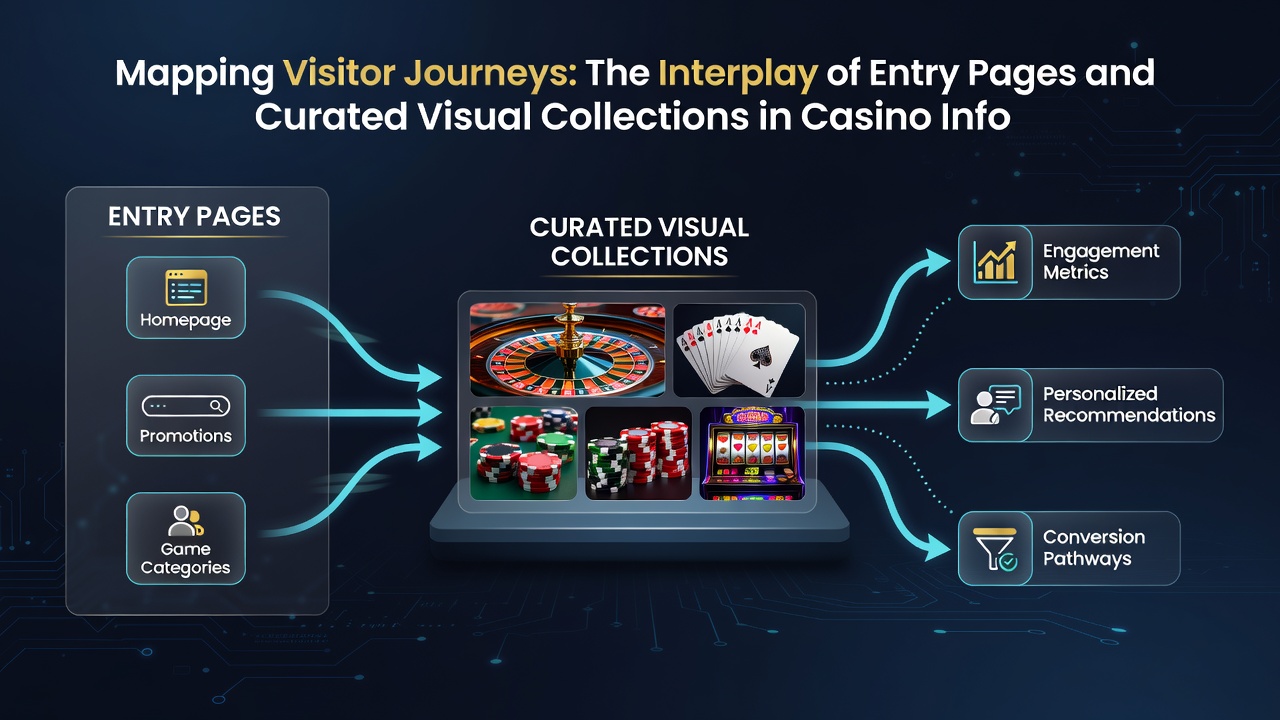
The connection between entry pages and visual collections operates through embedded links and contextual prompts that carry users forward in a structured manner. When homepage banners reference specific gallery themes, the transition feels continuous, and users maintain orientation across sections. According to analyses from the European Gaming and Betting Association, hubs that synchronize these elements experience fewer navigation errors, since the visual sequence picks up where the entry layout leaves off.
Yet the interplay also depends on technical factors such as responsive design and load optimization, which ensure visuals appear promptly on mobile devices that many users rely upon for quick checks. Observers note that in regions like Macau and Singapore, information hubs have adopted similar patterns, adapting entry visuals to local regulatory displays while maintaining gallery progressions for international audiences. Evidence suggests that consistent mapping of journeys across these components leads to more complete content consumption, as visitors complete full visual arcs rather than abandoning mid-sequence.
Patterns Observed in July 2026 Platform Updates
Platform updates rolled out in July 2026 introduced refined tracking tools that map how entry page selections influence gallery traversal times, revealing that certain banner placements accelerate movement into thematic image sets. These enhancements build on existing data frameworks used by operators across multiple jurisdictions, providing clearer metrics on journey completion. Those monitoring digital trends find that such refinements help hubs adjust visual ordering based on aggregate user paths without altering core content.
Links embedded in entry areas now more frequently point to updated collections that reflect new venue openings or policy changes, maintaining relevance as information evolves. Research indicates that this adaptive approach sustains engagement levels even as external search behaviors shift toward voice queries and app integrations.
Conclusion
Mapping visitor journeys through the interplay of entry pages and curated visual collections demonstrates how structured digital environments in casino information hubs facilitate systematic exploration. The combination of initial access points and thematic sequences creates measurable pathways that data consistently links to improved content reach and return engagement. As platforms continue incorporating feedback from user analytics, these mechanisms evolve to support clearer navigation across expanding resources.