Charting Digital Routes in Casino Guides: Primary Portals and Sequential Image Progressions
Written by Henrik Fischer · Jun 29, 2026
Charting Digital Routes in Casino Guides: Primary Portals and Sequential Image Progressions
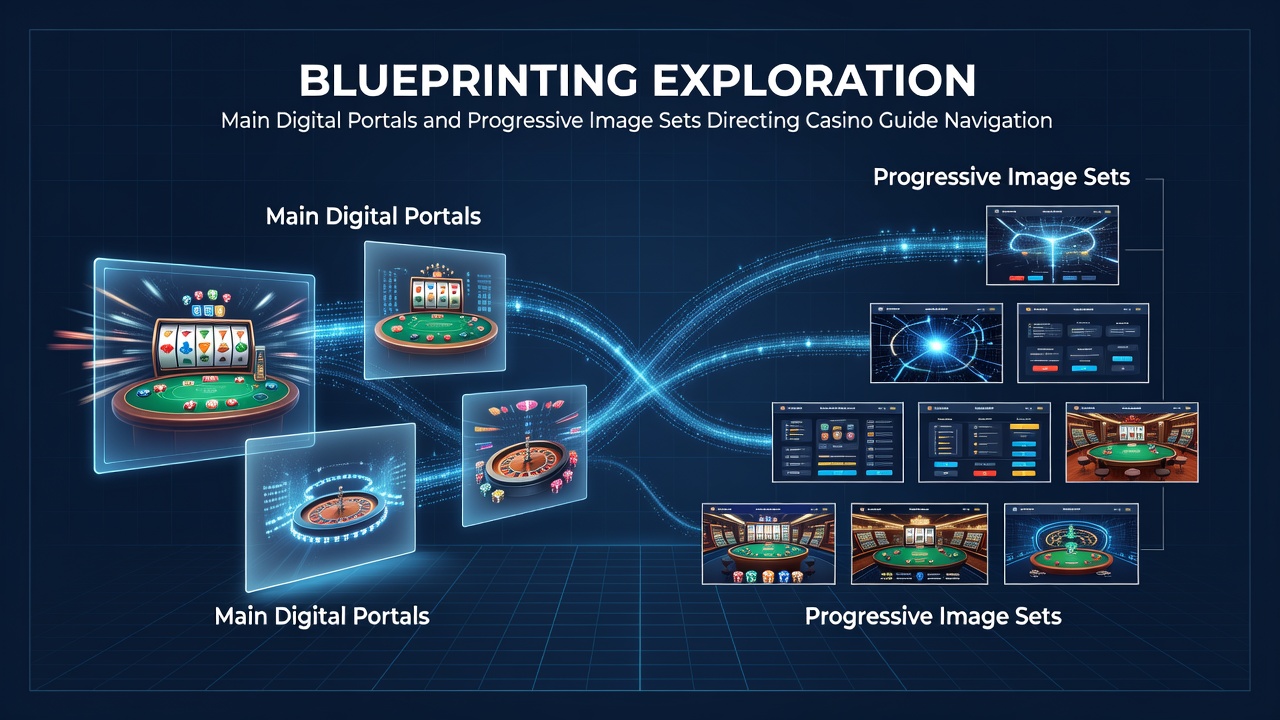
Online casino resources rely on structured entry points that organize vast amounts of information into accessible formats, and observers note how these main digital portals function as central hubs where users first encounter categorized sections for games, venues, and regulatory details. Research from industry reports indicates that homepage designs incorporate menus, search functions, and featured sections which direct visitors toward specific content areas while progressive image sequences build upon initial selections by presenting visual progressions that illustrate themes such as slot varieties or table game environments.
Core Elements of Primary Digital Gateways
Primary digital gateways in casino guide platforms typically feature layered navigation tools including top-level menus for broad categories alongside sidebar filters that refine results based on location, game type, or provider, and data from the American Gaming Association shows these structures help manage user flow across thousands of reviewed properties. Sequential image sets often appear after the initial portal interaction where each subsequent visual builds context by highlighting details like interior layouts or promotional events, allowing users to follow a logical path from general overviews to targeted explorations without requiring repeated searches.
Role of Visual Sequences in User Pathways
Progressive image collections operate as extensions of the main portal by advancing from wide-angle venue shots to close-up feature highlights, and experts in digital design have documented how such sequences reduce navigation friction by providing immediate visual cues that align with textual descriptions. In practice one study from iGaming Ontario resources found that platforms integrating these sequences experience higher retention rates during browsing sessions because users progress naturally through themed galleries that mirror the decision-making process for selecting casinos or games. And yet these sequences do not operate in isolation since they connect back to portal filters which allow refinements at any point along the visual journey.
Regulatory bodies such as the Nevada Gaming Control Board publish annual summaries that track how information resources evolve to meet compliance standards, and these updates often influence the way casino guides structure their portals to include verified licensing indicators within image progressions. What's interesting is the integration of interactive elements where clicking through an image set can trigger additional portal sections displaying payout statistics or bonus structures, creating a feedback loop that reinforces exploration patterns observed in user analytics from multiple jurisdictions.
Integration Patterns Across Platforms
Platforms combine homepage anchors with advancing visual frameworks in ways that adapt to regional preferences, for instance Canadian operators emphasize mobile-responsive sequences that adjust image loading based on connection speeds while Australian resources incorporate localized venue imagery to reflect market-specific offerings. According to figures from the Canadian Gaming Association such integrations correlate with improved session durations as users move from portal selections into detailed gallery explorations that cover everything from high-limit rooms to entertainment schedules.
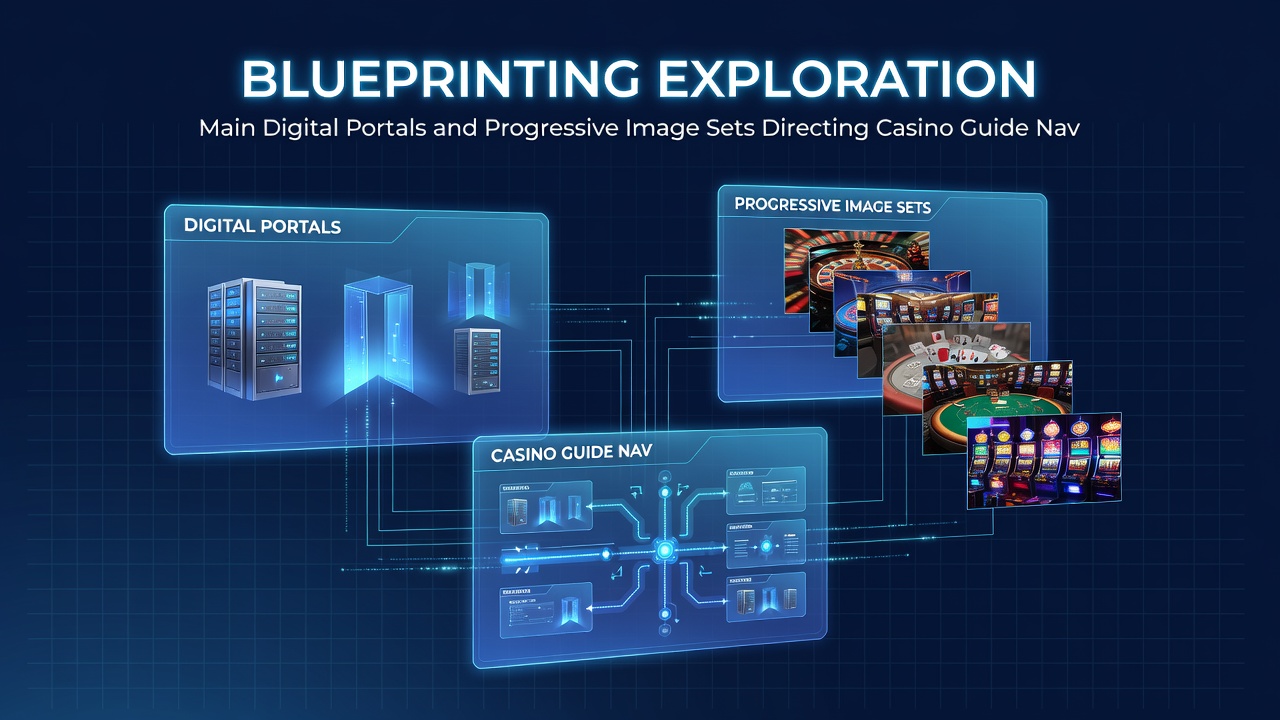
Developers frequently test variations where image progressions include embedded links to regulatory pages or game rule summaries, and this approach ensures that visual navigation remains tied to factual content rather than serving purely aesthetic purposes. Observers note that in June 2026 several guide services plan expansions to their portal frameworks ahead of anticipated regulatory shifts in multiple regions, incorporating new image sets that preview emerging venue features while maintaining compatibility with existing filter systems.
Technical Foundations Supporting Navigation
Backend systems powering these portals utilize tagging protocols that associate each image in a sequence with metadata categories, allowing seamless transitions between visual stages and textual resources, whereas front-end implementations rely on responsive grids that scale image displays across devices. Research indicates that platforms employing consistent sequencing protocols achieve better indexing in search engines because the structured progressions create predictable content hierarchies that align with algorithmic preferences for organized information delivery.
Trade organizations including the European Gaming and Betting Association compile data on digital resource usage patterns, revealing that users who engage with combined portal and sequence systems tend to access a broader range of sections compared to those relying on text-only navigation. This pattern holds across different markets where sequential visuals provide contextual bridges between broad portal categories and specific venue profiles.
Conclusion
Digital portals and progressive image sets together form interconnected systems that streamline access to casino information resources, and ongoing refinements in these areas continue to reflect feedback from regulatory updates and usage metrics collected across international markets. Platforms that maintain alignment between structural gateways and visual progressions demonstrate measurable improvements in how effectively users locate and compare options within the broader landscape of online casino guidance.