Exploring Visual Pathways in Gaming Portals Through Integrated Homepage Designs and Gallery Sequences
Written by Jonas Sullivan · Jun 27, 2026
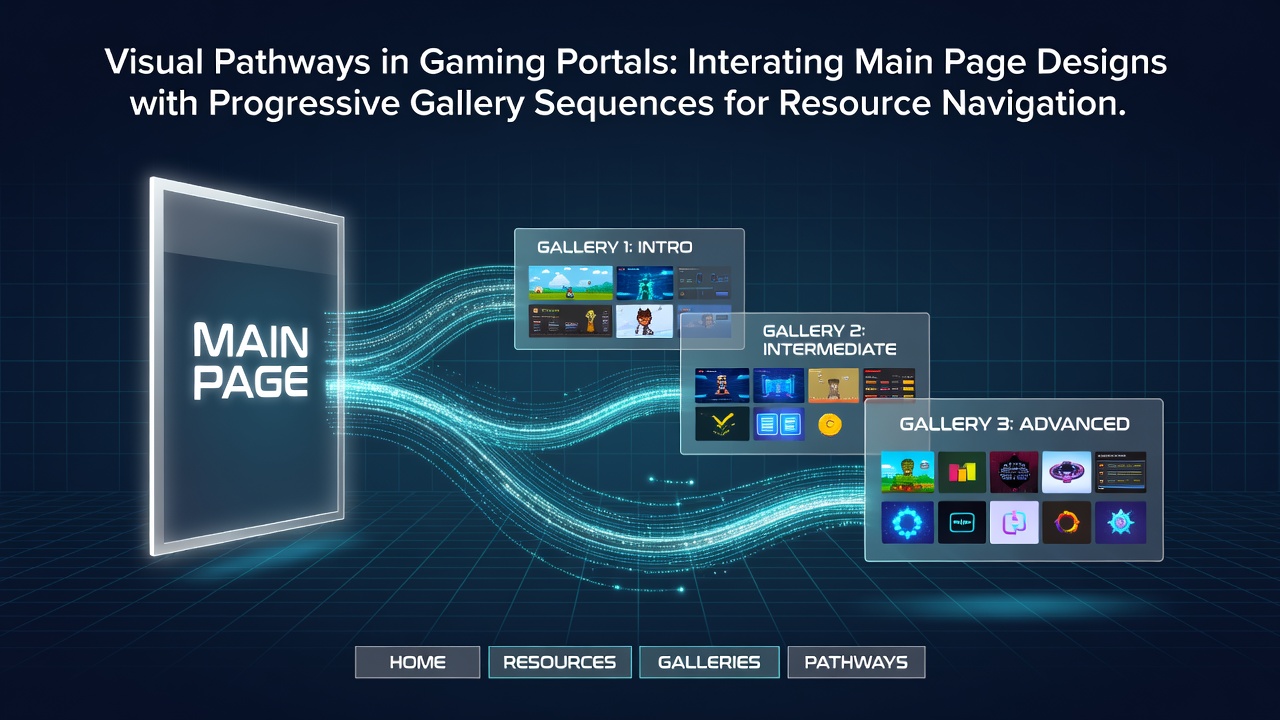
Exploring Visual Pathways in Gaming Portals Through Integrated Homepage Designs and Gallery Sequences
Online gaming portals rely on structured visual pathways that connect homepage layouts directly to progressive gallery sequences, allowing users to move through resources in a logical order. These designs organize content so that initial page elements guide visitors toward categorized image series, which then expand into detailed navigation options for games, promotions, and support materials. Data from industry reports shows that such integrations reduce navigation steps while maintaining clear information hierarchies across multiple device types.
Homepage structures typically feature prominent banners, menu clusters, and preview grids that establish the first layer of visual direction. When these elements align with gallery progressions, users encounter sequences that build from broad overviews to specific resource details. Observers note that this approach appears consistently in platforms operating under regulatory frameworks in regions like Ontario and Nevada, where compliance standards influence how content unfolds.
Homepage Anchors and Their Role in Pathway Formation
Main page designs serve as entry anchors by positioning key visuals and links that signal available resource categories. Researchers at various institutions have documented how these anchors use color contrasts, spatial grouping, and icon placement to direct attention toward gallery entry points. For instance, a central promotional banner might link directly to a sequence of themed image sets covering slot mechanics, table variations, and live dealer options, creating an unbroken visual thread from arrival to deeper exploration.
Studies on digital interface patterns indicate that effective homepage anchors incorporate responsive scaling so the same pathway logic holds across screens. This consistency supports users who begin on desktop and continue on mobile, since gallery sequences maintain their progressive order regardless of viewport size. What's interesting is how regulatory bodies in different jurisdictions, such as those overseeing operations in Australia, require clear labeling within these anchors to ensure responsible presentation of gaming resources.
Progressive Gallery Sequences as Navigation Extensions
Gallery sequences extend homepage pathways by presenting resources in ordered stages, often moving from introductory images to interactive previews and then to full access links. Each stage builds on the previous one through thumbnail expansions, hover states, or swipe gestures that reveal additional layers. Evidence from user behavior analyses reveals that these sequences help organize large resource libraries without overwhelming the initial view, since only the first few items load prominently while others remain accessible through continued progression.
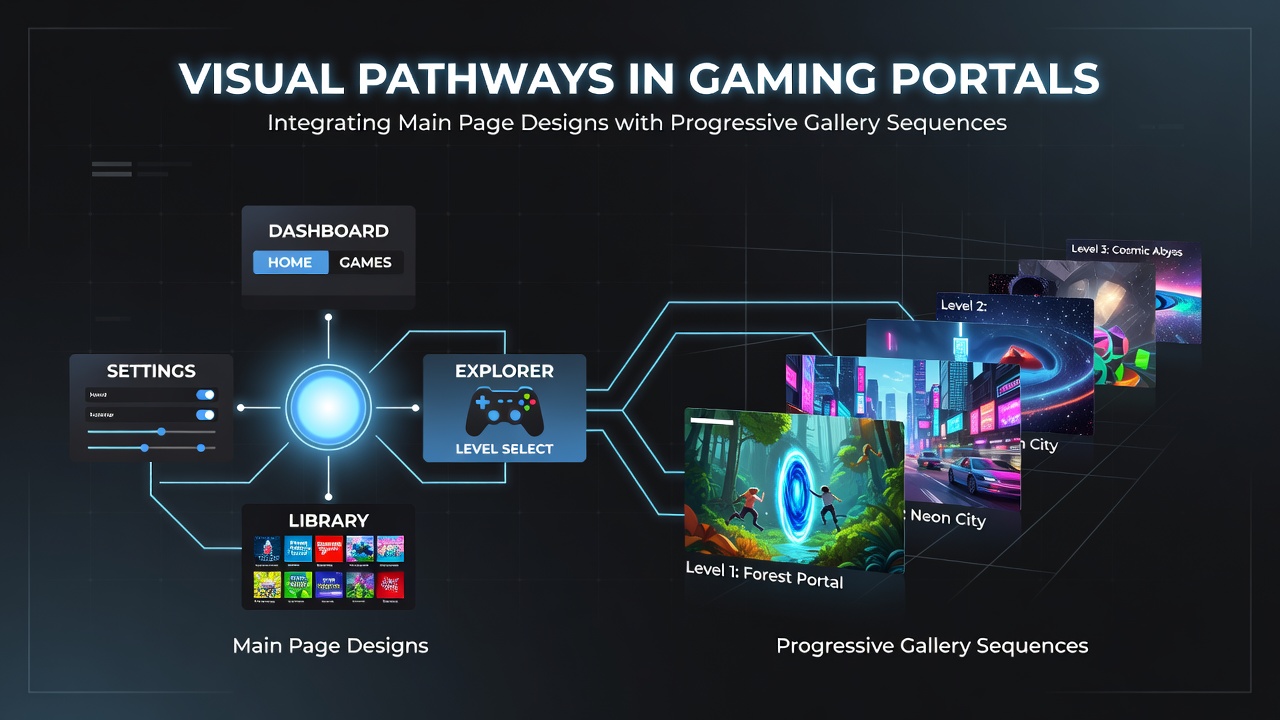
Design teams frequently align gallery progressions with homepage categories so that clicking an anchor leads straight into a matching visual flow. One documented case involved platforms that grouped seasonal promotions into timed gallery steps, allowing users to advance through current offers before reaching archived materials. Such arrangements appear in multiple markets because they satisfy both engagement metrics and transparency requirements set by oversight agencies.
Integration Techniques Across Different Platforms
Successful integration occurs when homepage elements feed directly into gallery sequences without requiring separate search actions. Developers achieve this through shared taxonomy systems where tags applied on the main page carry forward into image metadata, enabling seamless filtering as users advance. Reports from organizations tracking digital trends note that platforms using unified tagging experience fewer drop-offs during navigation, since the visual path remains continuous rather than resetting at each stage.
Another technique involves embedding micro-animations within galleries that echo homepage motion cues, reinforcing the sense of a single connected system. Those who've examined interface logs find that such echoes help users maintain orientation, particularly when exploring extensive collections of game titles or regional content variations. In June 2026 several operators plan to update their portal frameworks to incorporate enhanced accessibility features within these sequences, aligning with evolving standards from multiple international bodies.
Regional Variations in Pathway Implementation
Implementation details vary by region because local regulations shape how visual elements can appear and progress. In European markets, emphasis often falls on clear age verification prompts placed early in gallery sequences, while North American examples tend to highlight responsible gaming links integrated at multiple progression points. According to findings published by research groups examining cross-border operations, these adaptations maintain core pathway logic but adjust visual density and labeling to meet specific compliance needs.
Canadian regulatory sources have published guidelines encouraging progressive disclosure in digital interfaces, which many portals translate into staged gallery reveals rather than single-page dumps of information. Similar patterns surface in Asian markets where mobile-first designs compress homepage anchors into swipeable previews that launch compact gallery flows optimized for smaller displays.
Conclusion
Visual pathways formed by homepage designs and progressive gallery sequences provide structured navigation through gaming portal resources. Integration relies on consistent taxonomy, responsive scaling, and regulatory alignment that differs across jurisdictions yet preserves the core flow from anchor to detailed sequence. Data continues to show measurable improvements in user progression when these elements connect without interruption, supporting both accessibility goals and operational requirements in the sector.