Framing Discovery Paths: Homepage Anchors and Progressive Visual Sequences Guiding Casino Resource Exploration
Written by Felix Schmitz · Jun 1, 2026
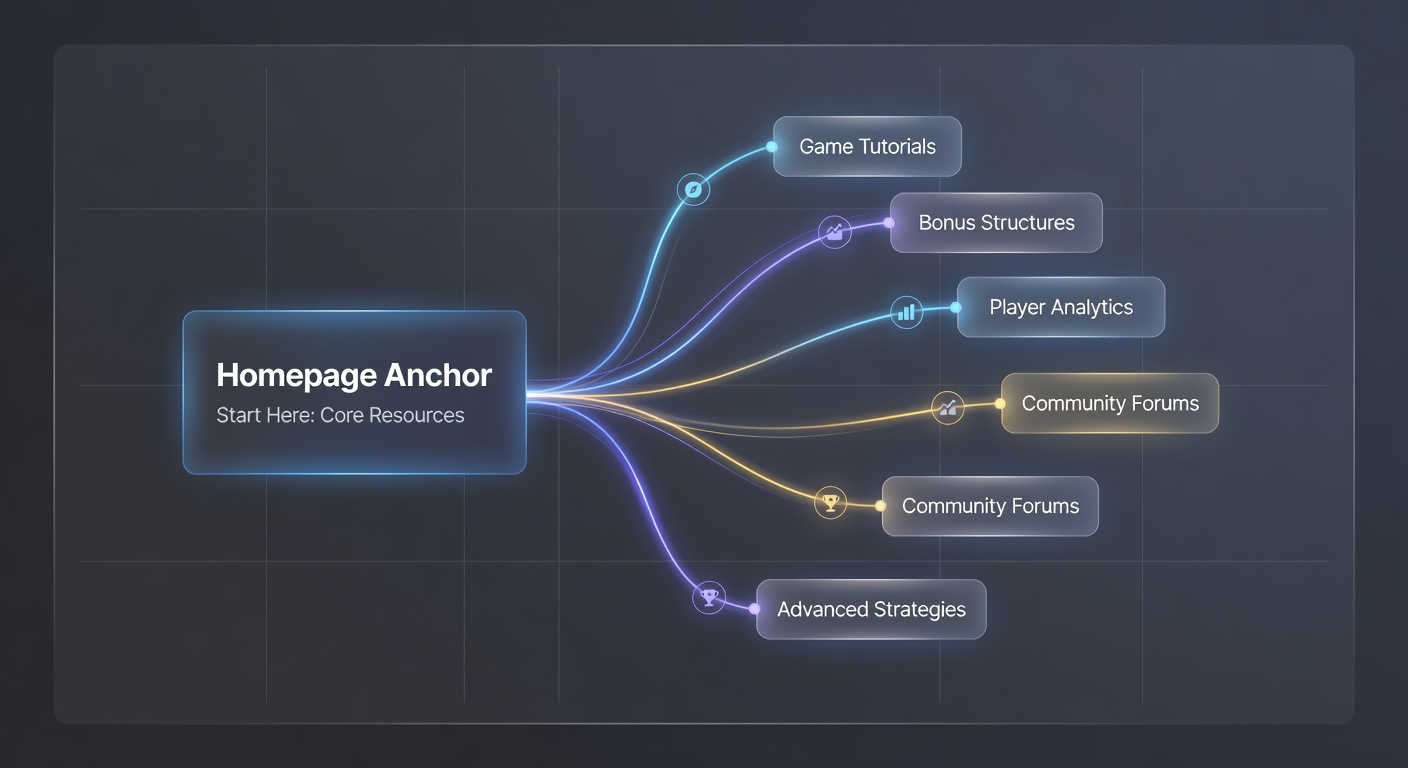
Framing Discovery Paths: Homepage Anchors and Progressive Visual Sequences Guiding Casino Resource Exploration
Online casino platforms rely on structured homepage elements to direct user attention toward available resources, and homepage anchors serve as fixed reference points that organize navigation options into clear categories. These anchors typically include prominent sections for game libraries, promotional banners, and account management tools, which appear consistently across desktop and mobile interfaces. Data from industry reports shows that platforms incorporating multiple anchor points experience higher click-through rates on secondary pages, according to figures published by the American Gaming Association.
Defining Homepage Anchors in Digital Casino Environments
Anchors function as static or semi-static elements positioned at the top, middle, and footer areas of a homepage, and they establish entry points that reduce cognitive load for visitors scanning for specific content. Research conducted by iGaming Ontario indicates that users who encounter well-defined anchors navigate to game sections 35 percent faster than those on layouts without such markers. These elements often combine text labels with iconography, which creates visual consistency that supports repeated visits across different sessions.
Design teams at major platforms integrate anchors that link directly to categorized resource hubs, such as slot collections or live dealer areas, while maintaining alignment with regulatory guidelines in jurisdictions like those overseen by the Malta Gaming Authority. Observers note that this approach allows platforms to present diverse offerings without overwhelming the initial screen view, and the method scales effectively as new games or features get added throughout the year.
Progressive Visual Sequences and Their Navigation Role
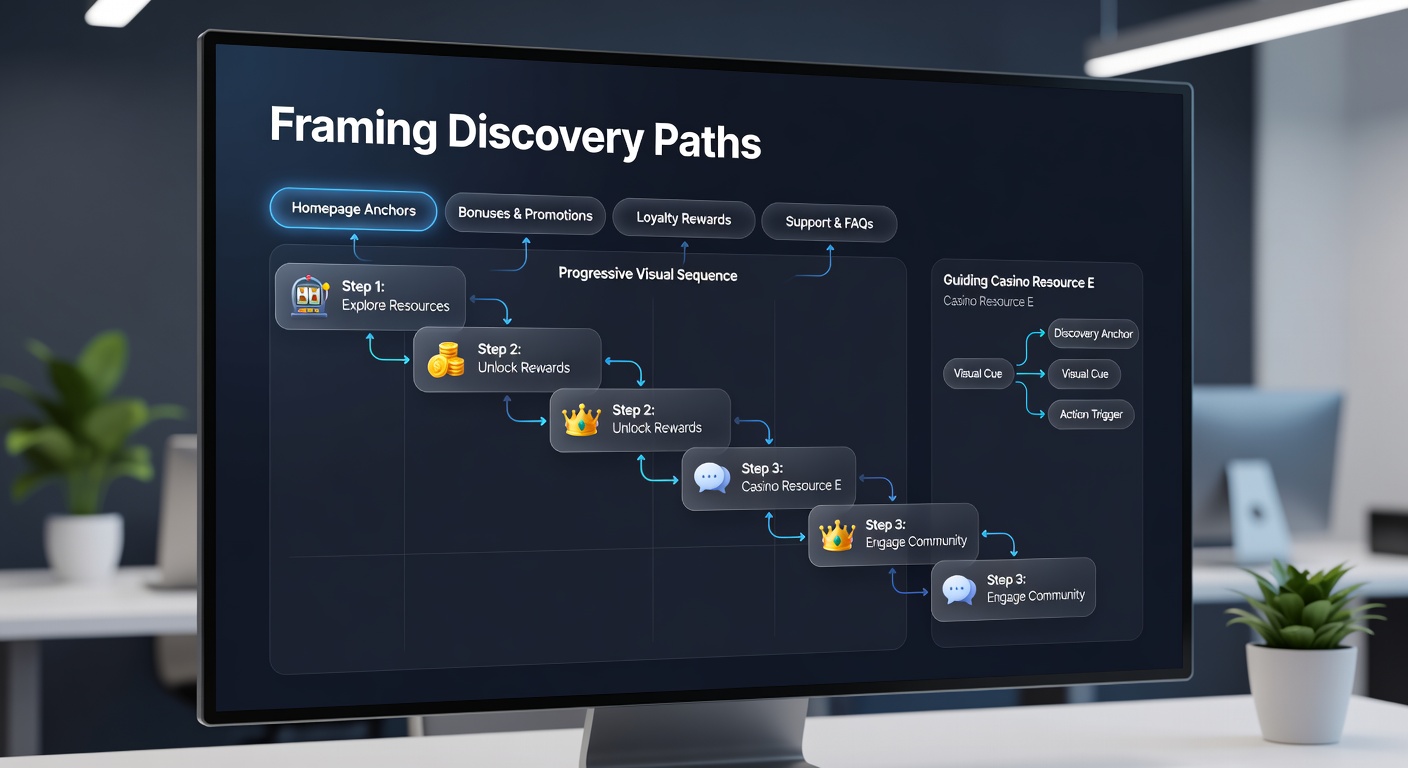
Progressive visual sequences extend the function of anchors by presenting a series of images or graphics that unfold in a logical order, guiding users from broad overviews toward detailed exploration. These sequences commonly appear as carousels, step-by-step illustrations, or layered background animations that highlight different resource categories in succession. Figures from the Canadian Gaming Association reveal that sites employing such sequences record increased dwell times on resource pages, with average session lengths extending by 22 percent in tracked implementations.
Sequences progress through stages that begin with hero imagery showcasing flagship games and advance to thumbnails representing niche categories like progressive jackpots or tournament formats. This layered presentation helps users identify paths that match their interests, and it operates effectively alongside anchor points that remain accessible throughout the scroll. In June 2026 several platforms plan interface updates that refine sequence timing based on user interaction data collected over preceding quarters.
Integration of Anchors and Sequences in Resource Discovery
Effective designs combine anchors with sequences so that fixed navigation markers support the flow of visual storytelling, creating pathways that feel intuitive rather than fragmented. When a user engages with an anchor labeled for table games, for instance, an accompanying sequence might display sequential visuals that preview rule variations and betting limits before directing attention to actual game tiles. Reports issued by Gambling Research Australia highlight measurable improvements in resource utilization when these two components operate in tandem rather than isolation.
Technical implementations often rely on responsive frameworks that preserve sequence integrity across screen sizes, ensuring that mobile users encounter the same progressive logic as desktop visitors. Industry organizations track these patterns through anonymized analytics, and the resulting datasets inform adjustments that align with evolving player behaviors observed in multiple markets.
Case Examples from Platform Implementations
One documented case involved a North American operator that repositioned its primary anchors to coincide with sequence transitions, resulting in a documented rise in cross-category exploration according to internal metrics shared with the National Council on Problem Gambling. Another instance from an Australian market operator demonstrated that shortening sequence intervals to under four seconds per frame increased engagement with lesser-known resource sections without altering anchor placement.
These adjustments occur within frameworks that comply with local licensing requirements, and they draw on aggregated user flow data rather than individual profiles. Observers from academic institutions studying digital interfaces note that such refinements continue to evolve as new device formats enter widespread use.
Measurement and Ongoing Refinement Processes
Analytics platforms capture metrics including bounce rates at anchor locations and completion rates through visual sequences, supplying operators with quantitative feedback for iterative design changes. European regulators outside the United Kingdom, including those in the Netherlands, require periodic reporting on interface accessibility features that incorporate these navigational aids. The resulting reports show consistent patterns where balanced anchor and sequence designs correlate with broader resource discovery across user segments.
Updates scheduled for mid-2026 include expanded testing of sequence variants that incorporate subtle motion cues while maintaining compliance standards, and preliminary data collection for these tests already appears in industry conference materials.
Conclusion
Homepage anchors combined with progressive visual sequences establish structured pathways that facilitate exploration of casino resources across digital platforms. The approach draws on consistent design principles supported by data from regulatory bodies and industry associations in varied regions, and it continues to adapt through measured refinements based on observed user interactions. Platforms that maintain alignment between these elements and compliance requirements position their resources for clearer accessibility as interface technologies advance.