From Front Door to Back Rooms: The Role of Homepage Design and Gallery Sequences in Casino Guides
Written by Jonas Sullivan · Jul 22, 2026
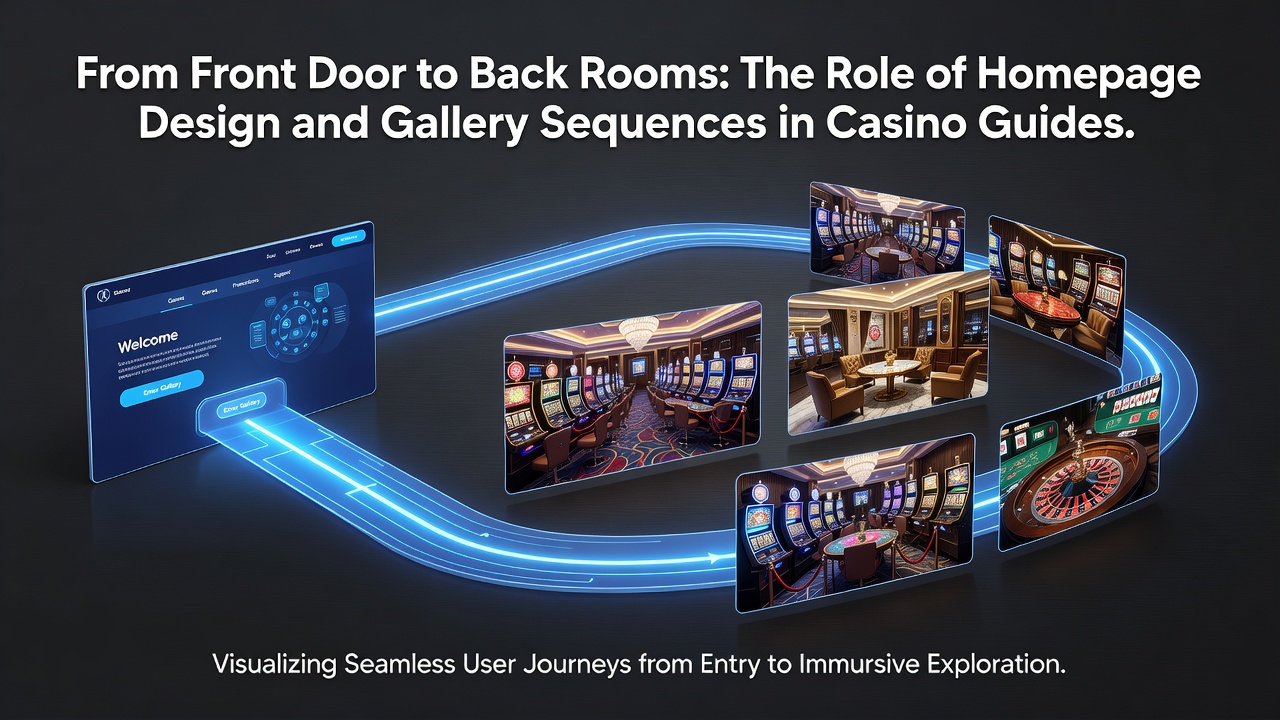
From Front Door to Back Rooms: The Role of Homepage Design and Gallery Sequences in Casino Guides
Digital casino resources rely on structured entry points that direct visitors through layered information. Homepage designs function as initial gateways, while gallery sequences provide progressive visual pathways that extend user interaction beyond the first screen. Observers note that these elements combine to organize content access across categories such as game types, venue details, and regulatory updates. Industry reports indicate that effective homepage structures prioritize clear menus and prominent calls to action. Data from digital analytics firms show that sites arranging primary navigation horizontally across the top and secondary options in side panels achieve higher retention during initial visits. Those who've examined multiple platforms observe that placing featured guides or regional updates in central hero sections directs attention toward current topics, including expansions planned for mid-2026. Gallery sequences build on this foundation by presenting images in ordered series. Each subsequent image introduces additional context, whether through interior venue shots or gameplay examples, guiding users deeper into resource sections. Research conducted by web usability laboratories demonstrates that sequential galleries increase time spent on pages when paired with descriptive captions that link directly to related articles.Structural Elements on Entry Pages
Homepage layouts in casino guides typically incorporate search bars, category grids, and dynamic banners. These components allow visitors to select paths based on preferences such as location-specific regulations or game mechanics. Figures released by the American Gaming Association reveal that platforms updated in early 2025 with responsive grid systems recorded measurable increases in page views per session.
Designers arrange content blocks to separate promotional material from informational resources. This separation prevents overlap and supports quick scanning. External links embedded within menu items connect users to official regulatory portals, such as those maintained by state gaming control boards in the United States or provincial authorities in Canada.
Progression Through Visual Sequences
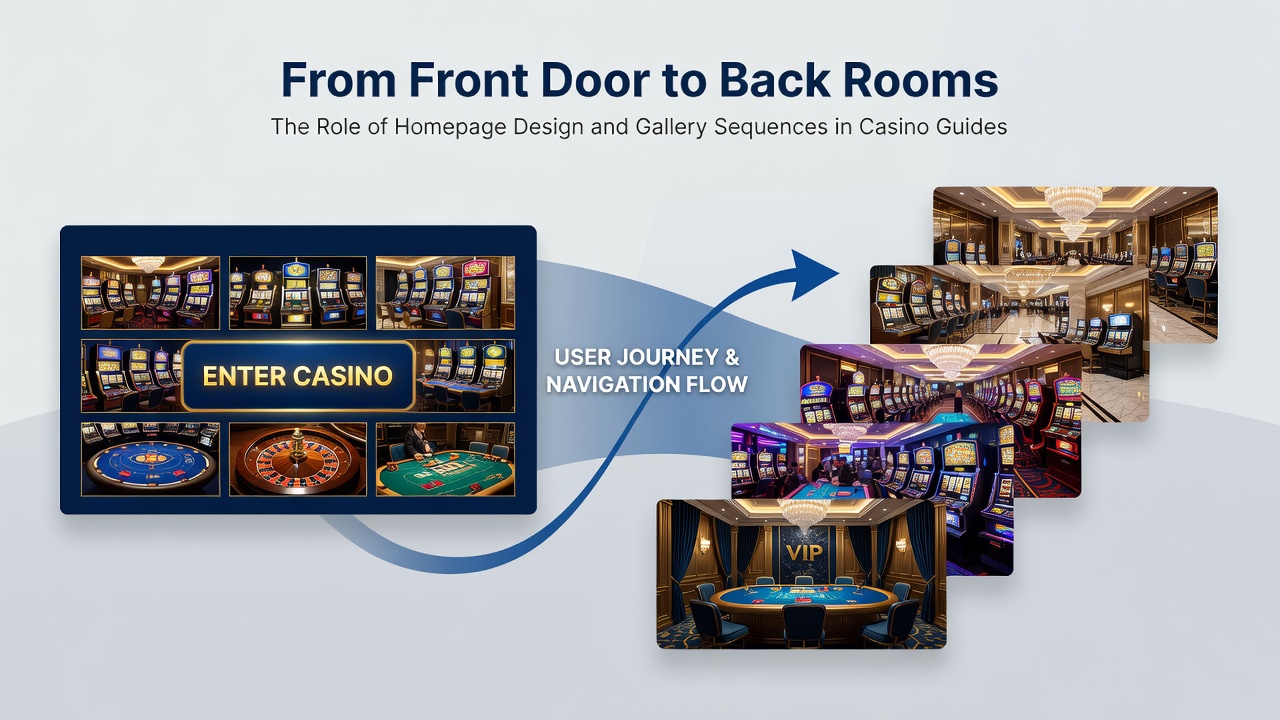 Gallery progressions follow patterns where the first image establishes context and later frames reveal specifics. One study published by a European digital media research center found that galleries containing between six and nine images maintained engagement rates when transitions occurred automatically after four seconds. Captions positioned beneath each image supply factual details that reinforce textual content found elsewhere on the site.
Sequences often transition from exterior venue views to interior layouts and then to individual game stations. This ordering mirrors physical navigation patterns observed in land-based facilities. Data collected through heat-mapping tools indicate that users who complete full gallery cycles are more likely to proceed to subpages covering topics such as payout structures or licensing requirements.
Integration With Broader Resource Navigation
Homepage anchors and gallery endpoints frequently include hyperlinks to deeper sections. These connections allow seamless movement from visual overviews to detailed comparisons or news updates. Industry organizations tracking online traffic patterns report that integrated designs reduce bounce rates when galleries conclude with prompts to explore related guides.
Updates scheduled for July 2026 in several regional markets may influence how guides present new venue openings. Homepage banners can highlight these developments, while galleries incorporate fresh imagery to reflect facility changes. Observers tracking these platforms note that timely visual refreshes align with announcements from gaming commissions across multiple jurisdictions.
Technical Considerations in Implementation
Responsive coding ensures that both homepage elements and galleries adapt across device sizes. Mobile optimization remains essential because a substantial portion of traffic originates from handheld devices. Research from academic institutions studying human-computer interaction shows that touch-friendly swipe controls in galleries improve completion rates compared with click-only interfaces.
Accessibility features such as alt text descriptions and keyboard navigation support broader user access. Compliance with standards set by international web accessibility guidelines contributes to inclusive design practices within the sector. Organizations including the Interactive Gaming Council have documented case examples where retrofitted features expanded audience reach without altering core content structures.
Conclusion
Homepage designs combined with ordered gallery sequences establish clear pathways through online casino resources. These mechanisms organize information delivery from initial contact through extended exploration. Evidence from multiple studies and traffic analyses confirms that coordinated visual and structural elements support sustained navigation across guide content. Future adjustments tied to market developments will likely continue to shape how these digital frameworks evolve.