From Homepage Hubs to Curated Sequences: Tracing User Pathways Across Layered Casino Image Archives
Written by Hugo Lorenz · Aug 19, 2026
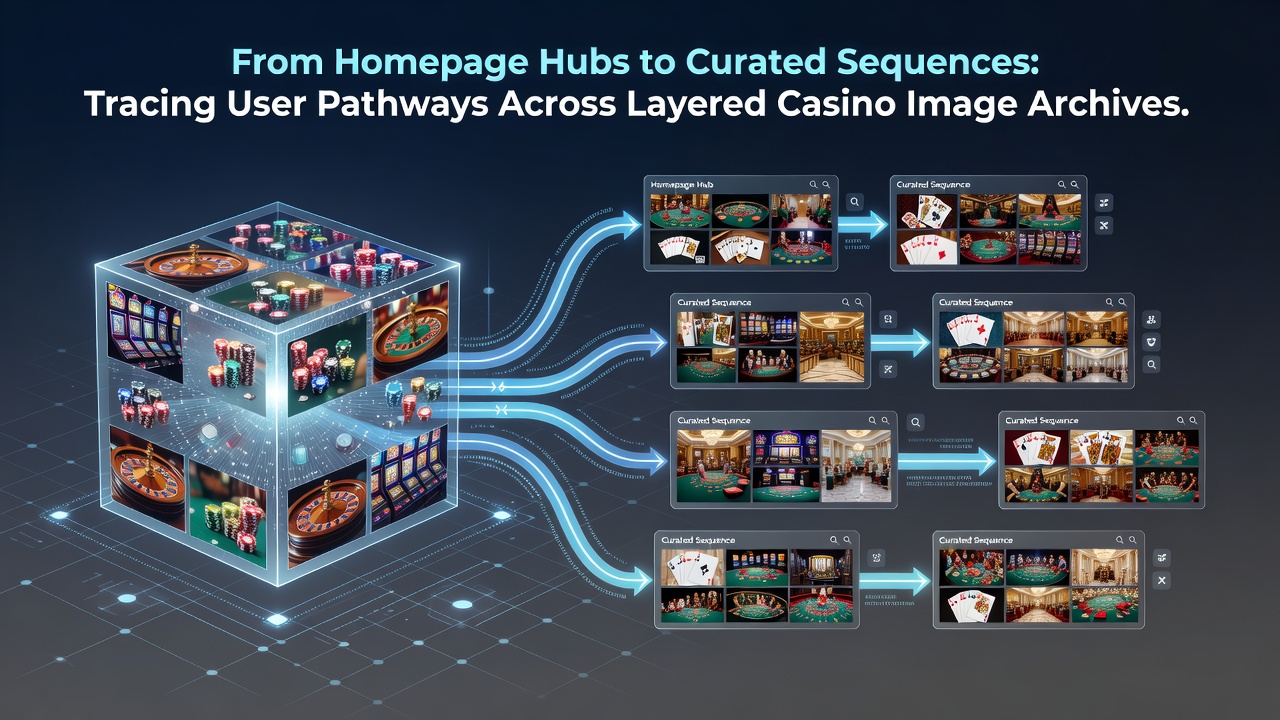
From Homepage Hubs to Curated Sequences: Tracing User Pathways Across Layered Casino Image Archives
Homepage structures in online casino resources function as central entry points that organize access to extensive visual collections, and these hubs direct users through initial overviews before deeper layers become available. Observers note that such designs connect broad thematic categories with progressive visual sequences, allowing exploration to build from single landing pages into multi-stage galleries that expand in detail over successive steps.
Homepage Structures as Navigation Anchors
Research from digital resource studies shows that homepages consolidate links to image archives by grouping them under headings that reflect casino environments, gaming equipment, and destination highlights, while data indicates users often begin with these anchors before selecting sequences that follow logical progressions. Those who've examined navigation logs find that homepage elements reduce disorientation by presenting clear entry routes, and this approach supports movement into curated sections without requiring separate searches at each stage.
Industry reports from the American Gaming Association reveal patterns where visitors click through homepage hubs into thematic clusters, and these transitions create pathways that layer additional context as users advance. The structure employs sequential image series to maintain continuity, so one gallery leads naturally into the next through consistent visual cues and thematic ties that span multiple pages.
Curated Sequences and Layered Archive Development
Layered archives develop when initial homepage selections unlock ordered sequences that add specificity, and experts observe that this progression organizes images by venue type, lighting conditions, and activity levels to guide users along intended routes. Evidence from user behavior analyses demonstrates that such sequences increase dwell time because each stage builds on the previous one with refined selections rather than random displays.
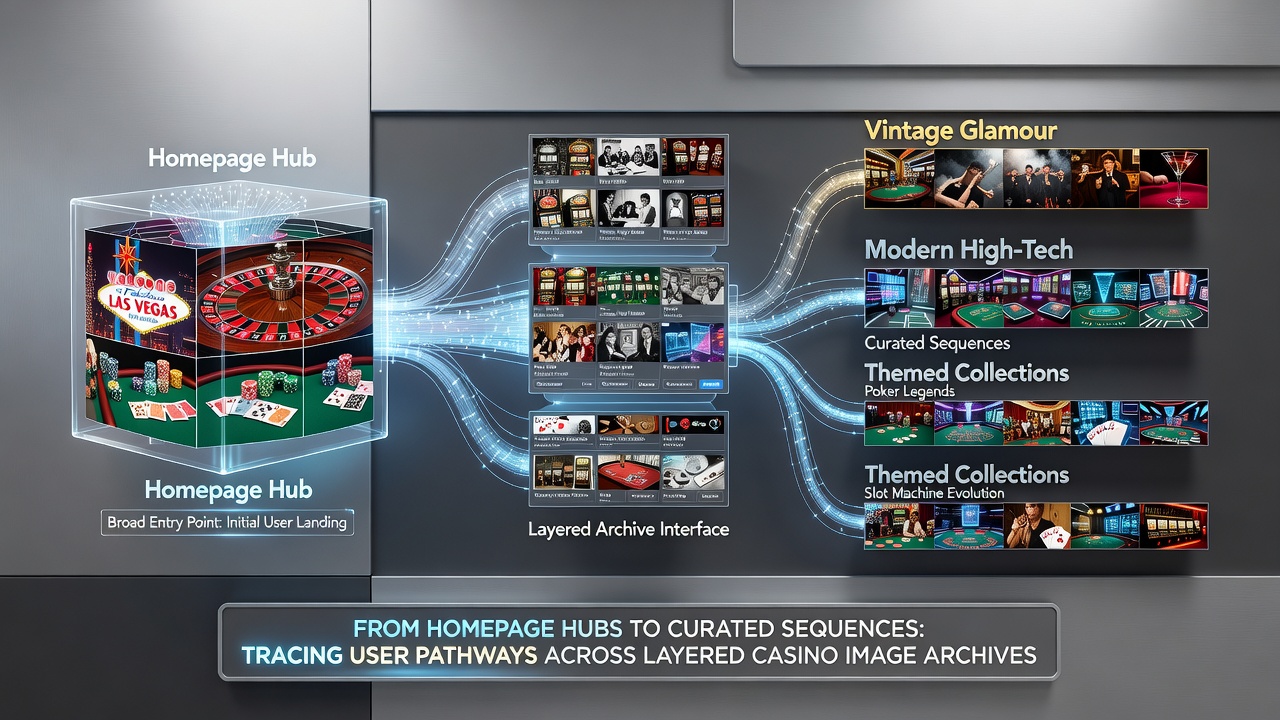
Studies conducted by the Australian Gambling Research Centre highlight how sequential ordering in visual resources aligns with broader digital engagement trends, and these findings apply directly to casino guide platforms where users trace pathways across increasingly specialized image sets. Observers note that the layering prevents overload by revealing content gradually, which keeps pathways manageable even when archives contain thousands of entries spanning different regions and eras.
Tracing Actual User Pathways Through Multiple Layers
Pathway tracing begins at the homepage hub and extends through clicks that unlock new sequences, while data from navigation tracking shows that users frequently follow thematic threads such as high-stakes areas leading into equipment close-ups and then into venue-specific details. Those who analyze session recordings report that branching occurs when a sequence presents multiple options, yet the overall flow remains anchored to the original hub structure.
Figures from the Nevada Gaming Control Board indicate rising interest in digital resources that catalog casino imagery, and this growth correlates with increased use of layered archives that connect homepage entry points to extended visual narratives. The pathways often incorporate filters that refine sequences by date or location, allowing users to adjust their routes mid-exploration without losing the underlying organizational logic.
Integration of Thematic Progressions in Resource Design
Designers integrate homepage anchors with thematic progressions by ensuring each sequence references elements from prior stages, and this creates cohesion across the archive as a whole. Research indicates that such integration supports repeated visits because users recognize familiar structures while discovering new layers each time they return through the hub.
Pathways across these archives also reflect regional differences in casino presentation, with sequences sometimes emphasizing architectural elements in one cluster and operational details in another, yet all remain accessible from the same starting homepage. Data shows that this variety sustains engagement without fragmenting the overall navigation experience.
Conclusion
Tracing user pathways from homepage hubs through curated sequences reveals a deliberate architecture that organizes layered casino image archives into accessible stages, and this model continues to shape how resources present visual information. Observers continue to monitor how these structures evolve as new archives are added and as navigation tools refine the connections between successive layers.