How Strategic Color Palettes Shape Visitor Engagement and Session Lengths in Gaming Venues
Written by Felix Schmitz · May 18, 2026
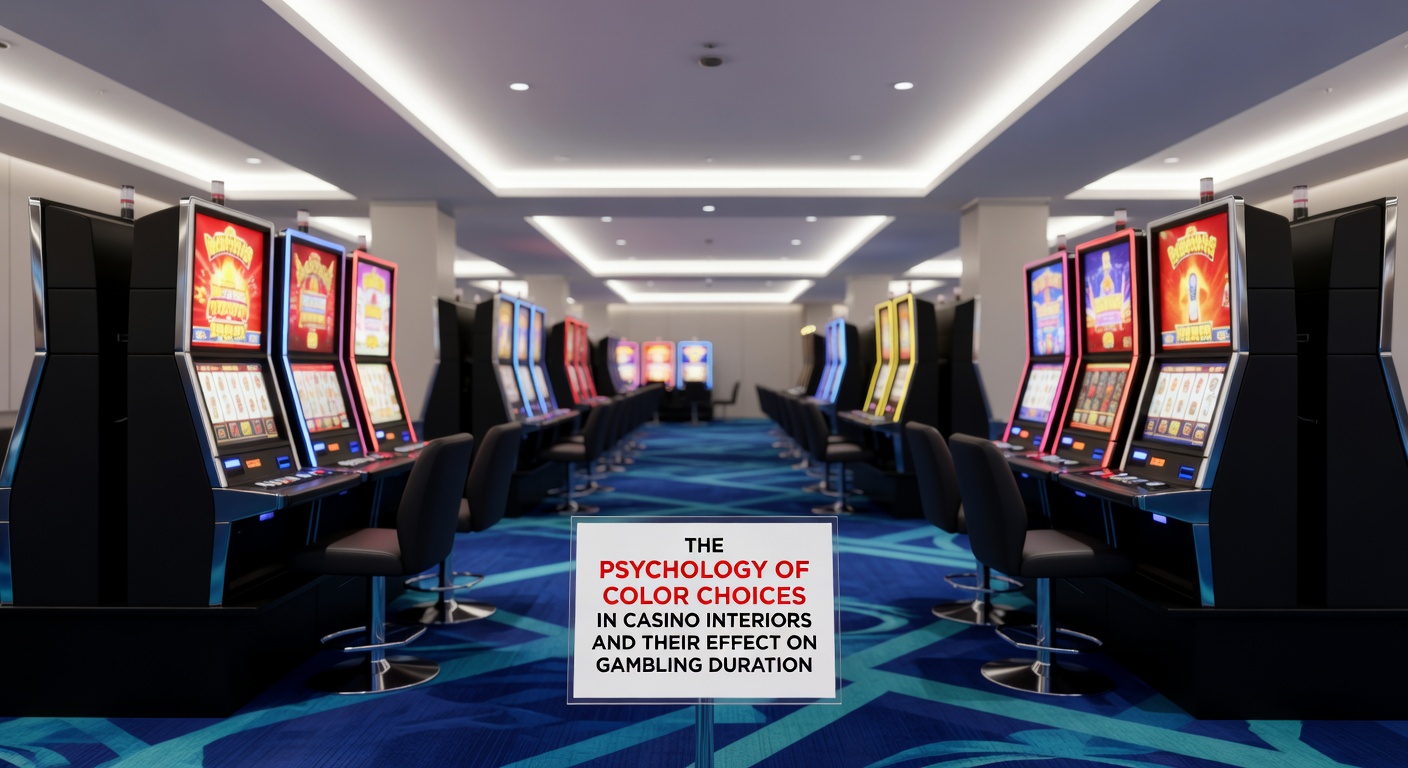
How Strategic Color Palettes Shape Visitor Engagement and Session Lengths in Gaming Venues
Design teams in major gaming facilities have long selected interior colors based on established psychological principles that link specific hues to arousal levels, decision speed, and time spent at gaming stations. Research indicates these choices produce measurable shifts in how long individuals remain engaged, with data from controlled observations showing variations of twenty to forty minutes depending on dominant palettes.
Core Principles Behind Color Selection in Gaming Spaces
Psychologists and interior specialists draw from studies on chromatic effects that trace back to early twentieth-century experiments in retail environments, where warmer tones accelerated heart rates while cooler shades promoted steadier breathing patterns. In gaming settings these findings translate directly because facilities operate under constant artificial lighting that amplifies hue saturation. Observers note that operators adjust wall treatments, carpet patterns, and accent lighting to maintain consistent visual fields that discourage quick exits without creating overt pressure.
Evidence from multiple academic projects demonstrates that people process color before they register spatial details, so initial impressions formed at entry points set expectations for the entire visit. Facilities therefore coordinate ceiling heights with color temperature, ensuring reds and oranges appear in high-traffic zones while blues appear near rest areas to create natural pacing.
Effects of Warm Tones on Arousal and Play Duration
Red and its adjacent shades on the color wheel appear frequently around slot banks and roulette wheels because multiple experiments link these hues to elevated dopamine responses. One study conducted across several properties in the American Southwest recorded average session lengths increasing by roughly thirty-five percent when dominant wall sections featured saturated reds compared with neutral controls. The same research tracked eye-movement data showing faster fixation on machines when red backlighting was present, suggesting quicker transitions from browsing to active play.
Gold and amber accents often accompany these reds to evoke associations with value and success, reinforcing continued engagement. Data collected by the Nevada Gaming Control Board in periodic compliance reviews shows properties using coordinated warm palettes report higher per-station occupancy rates during evening hours, although total daily visits remain stable across color schemes.
Role of Cooler Shades in Sustaining Longer Visits
Blue and teal tones appear in areas intended for extended table play because they correlate with reduced perceived time pressure. Researchers at institutions in Australia have documented that participants exposed to blue-dominant rooms underestimated elapsed time by up to eighteen minutes during simulated gambling tasks. This underestimation occurs without corresponding increases in wager size, indicating the effect operates primarily on duration rather than risk appetite.
Green shades receive similar attention because they connect visually with currency and growth, yet they produce calmer physiological readings than reds in heart-rate monitoring trials. Properties in Macau and Singapore incorporate layered greens in high-limit rooms where regulatory filings list average visit durations exceeding four hours, a pattern consistent with findings released in May 2026 by the Casino Regulatory Authority of Singapore.
Integration of Lighting and Pattern with Color Choices
Color alone does not determine outcomes; operators combine hues with dynamic lighting sequences and repeating geometric carpet designs that reduce visual fatigue. Industry reports compiled by the American Gaming Association indicate that facilities updating both palette and lighting in the same renovation cycle observe steadier retention curves than those addressing color in isolation. The interaction matters because saturated colors under dim light read differently than the same colors under bright LEDs, prompting designers to run on-site calibration tests before final installation.
Carpet patterns further modulate these effects by breaking sight lines and guiding foot traffic toward machines or tables without requiring signage. Observers have recorded fewer directional changes when pathways incorporate subtle color gradients rather than abrupt shifts, contributing to longer uninterrupted play intervals.
Regional Variations and Regulatory Context
Color strategies differ by jurisdiction because local regulations sometimes constrain brightness levels or require certain accessibility contrasts. Canadian provincial authorities, for example, publish design guidelines that emphasize non-glare surfaces while still permitting operators flexibility in hue selection. European operators face additional constraints from accessibility directives that influence minimum contrast ratios, leading some properties to favor muted versions of stimulating colors rather than fully saturated ones.
Comparative data from these regions shows that regardless of specific constraints, facilities consistently favor warmer foreground colors against cooler background fields, a configuration that multiple peer-reviewed papers associate with prolonged dwell times across cultural contexts.
What's interesting is how these patterns hold when researchers control for game mix and payout percentages, isolating color as the variable that accounts for session-length differences. Figures from university-led field studies continue to support the same directional effects first noted in laboratory settings decades ago.
Conclusion
Color choices in casino interiors reflect deliberate application of psychological research that connects hue properties to visitor behavior and time allocation. Available evidence from regulatory filings, academic trials, and operational records demonstrates consistent relationships between palette composition and gambling duration across diverse geographic markets. As new measurement technologies become standard, operators gain finer data on exactly which combinations extend engagement most effectively while remaining within existing design and lighting standards.