Layered Discovery Mechanisms: Integrating Homepage Structures with Thematic Gallery Progressions in Online Casino Guides
Written by Jonas Sullivan · Jun 3, 2026
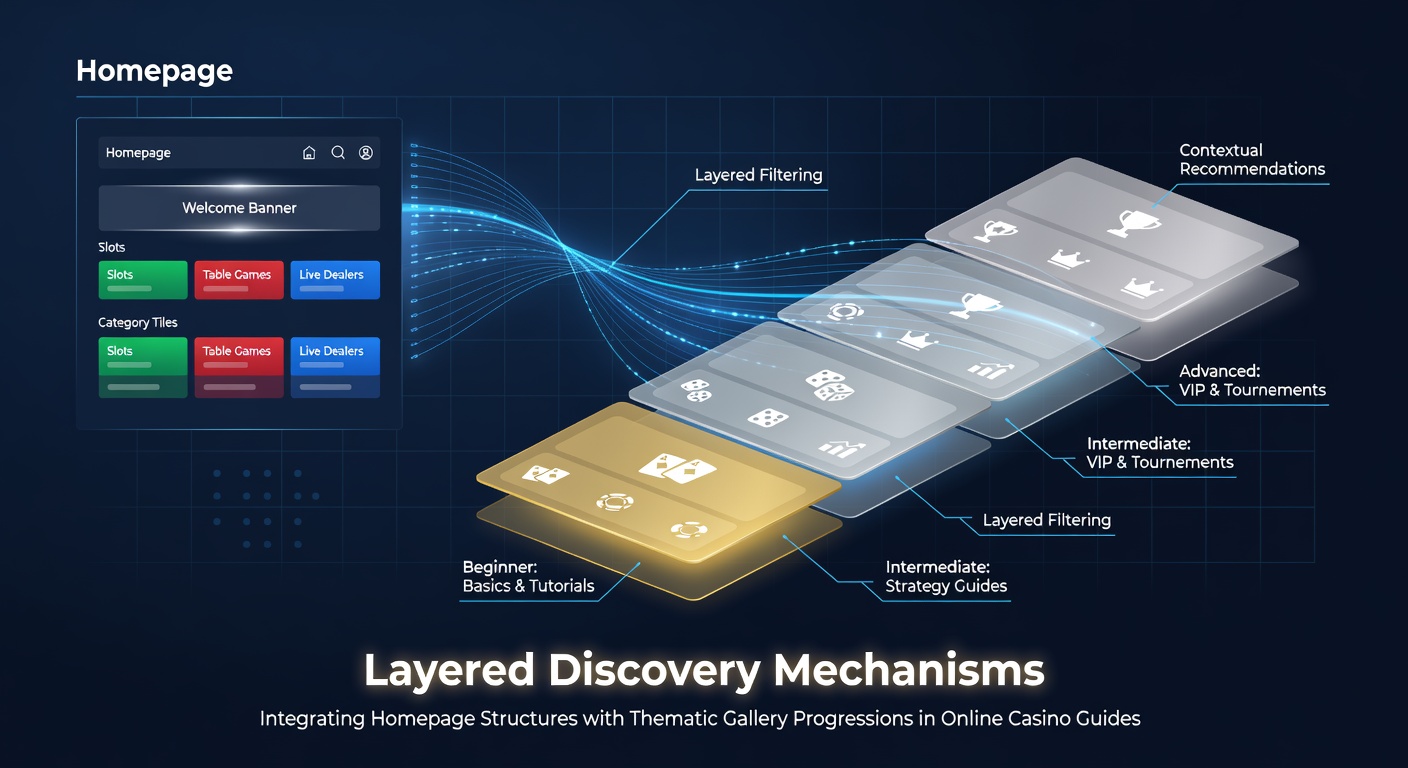
Layered Discovery Mechanisms: Integrating Homepage Structures with Thematic Gallery Progressions in Online Casino Guides
Layered discovery mechanisms refer to the systematic arrangement of content pathways in online casino guides where homepage structures serve as primary anchors that connect directly to thematic gallery progressions, and these elements combine to direct users through sequential exploration stages. Research from the University of Nevada, Reno indicates that such integrations rely on modular page designs that prioritize visual sequencing over linear text lists, with data showing user navigation patterns shifting toward image-driven routes in digital resource platforms by early 2025.
Homepage Structures as Foundational Anchors
Homepage structures in these guides typically feature categorized entry points that include search bars, featured sections, and menu hierarchies, which observers note function as initial filters for content discovery. These elements organize information into broad themes such as game types, regional regulations, and provider listings, allowing subsequent layers to build upon user selections. According to figures from the Nevada Gaming Control Board, regulatory updates in 2024 emphasized clearer digital navigation standards that encouraged platforms to refine homepage layouts for better information layering across multiple jurisdictions.
One study revealed that homepage anchors often incorporate dynamic elements like rotating highlights and quick-access icons, which connect users to deeper content clusters without requiring additional clicks beyond the first interaction. This setup creates a base layer where users encounter curated starting points before advancing into more specialized areas, and experts have observed consistent adoption of this model across North American and European guide services.
Thematic Gallery Progressions and Sequential Guidance
Thematic gallery progressions extend the initial homepage framework by presenting series of visual collections that advance through related topics in a deliberate order, such as moving from general slot overviews to specific jackpot mechanics or regional variations. These progressions utilize image sequences accompanied by brief contextual labels, guiding users along predetermined exploration paths that maintain thematic consistency throughout each stage. Data from industry reports compiled by the Canadian Gaming Association shows that platforms implementing ordered galleries experienced measurable increases in page depth metrics during 2025 testing periods.
Gallery sequences frequently group content around motifs like high-limit tables, mobile-optimized titles, or responsible gaming resources, with each progression building visual context that reinforces the prior section. Researchers discovered that this method reduces disorientation in large information sets by presenting content in progressive blocks rather than exhaustive grids, and those who've analyzed user flows note the role of consistent visual cues in maintaining directional momentum.
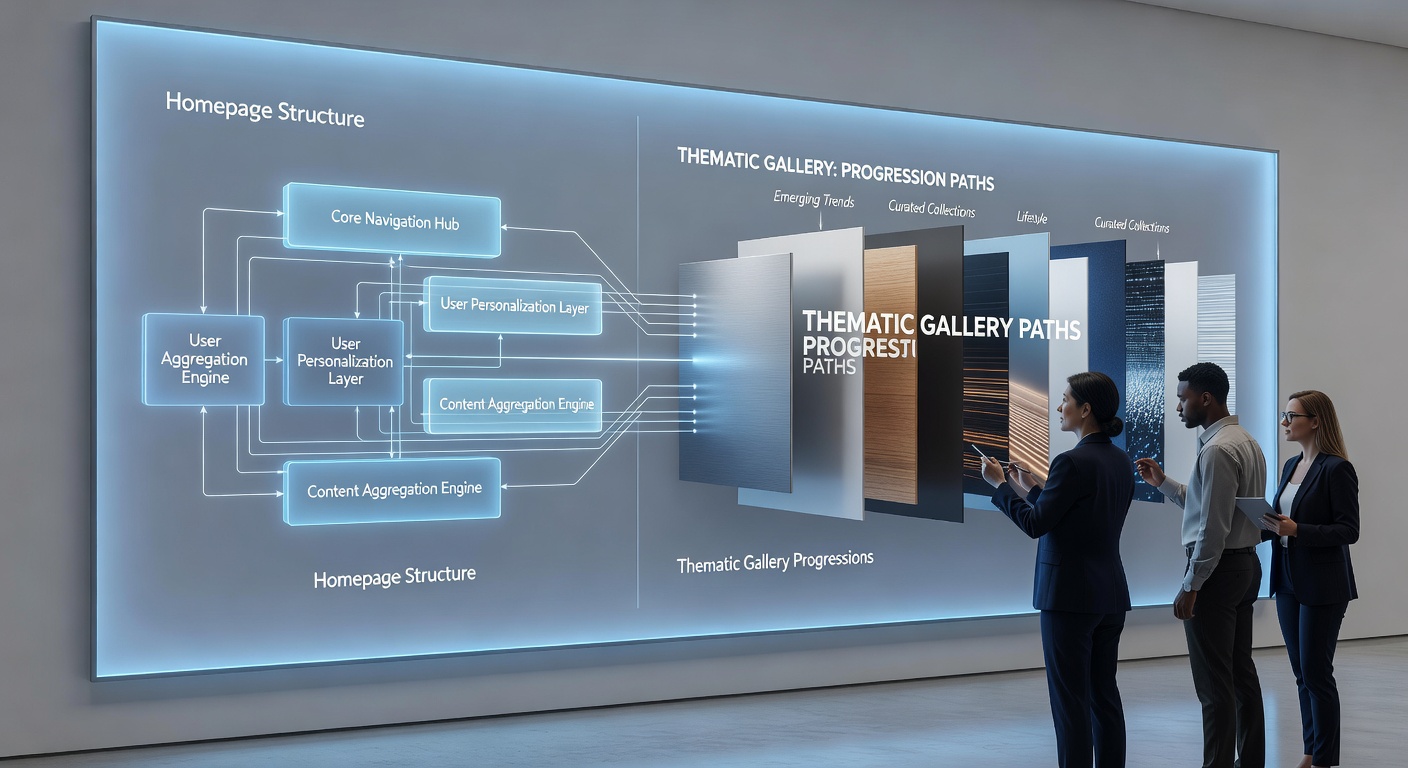
Integration of Homepage Anchors with Gallery Sequences
Integration occurs when homepage structures feed directly into gallery progressions through embedded links and contextual triggers that activate the next visual layer upon user engagement. This creates a unified discovery system where broad navigation choices on the homepage trigger tailored gallery flows, ensuring continuity between entry points and detailed explorations. Evidence suggests that such linkages rely on backend tagging systems that match homepage categories to corresponding image series, with implementation details documented in technical papers from academic conferences held in 2024.
What's interesting is how these combined mechanisms handle user variability, as homepage selections can branch into multiple gallery paths depending on additional filters applied at intermediate stages. Observers note that platforms in regions like Australia and parts of Asia have adapted these integrations to align with local content requirements, producing variations that still preserve the core layered structure. By June 2026, several major guide services had standardized these connections following industry workshops that highlighted cross-platform compatibility needs.
Operational Patterns Across Platforms
Operational patterns show that layered mechanisms often incorporate feedback loops where gallery interactions inform homepage adjustments in real time, though the primary flow remains directed from anchor to progression. Take one analysis of European guide services where thematic galleries incorporated regulatory disclaimers at specific progression points, which aligned with homepage sections on compliance topics. This approach maintains factual delivery while advancing users through content layers without abrupt shifts.
Additional patterns include the use of progress indicators within galleries that reference back to homepage origins, allowing users to trace their path through the discovery sequence. Research indicates these indicators appear more frequently in guides serving multiple markets, where they help clarify regional differences as users advance through visual stages.
Conclusion
The integration of homepage structures with thematic gallery progressions forms a structured approach to content navigation in online casino guides, supported by documented design practices and user behavior data from various regulatory adn academic sources. These mechanisms continue to evolve with platform updates, maintaining focus on sequential access to information across diverse geographic implementations.