Navigating Digital Entryways: How Homepage Structures and Sequential Image Series Shape Exploration in Online Casino Resources
Written by Uma Schmitz · May 30, 2026
Navigating Digital Entryways: How Homepage Structures and Sequential Image Series Shape Exploration in Online Casino Resources
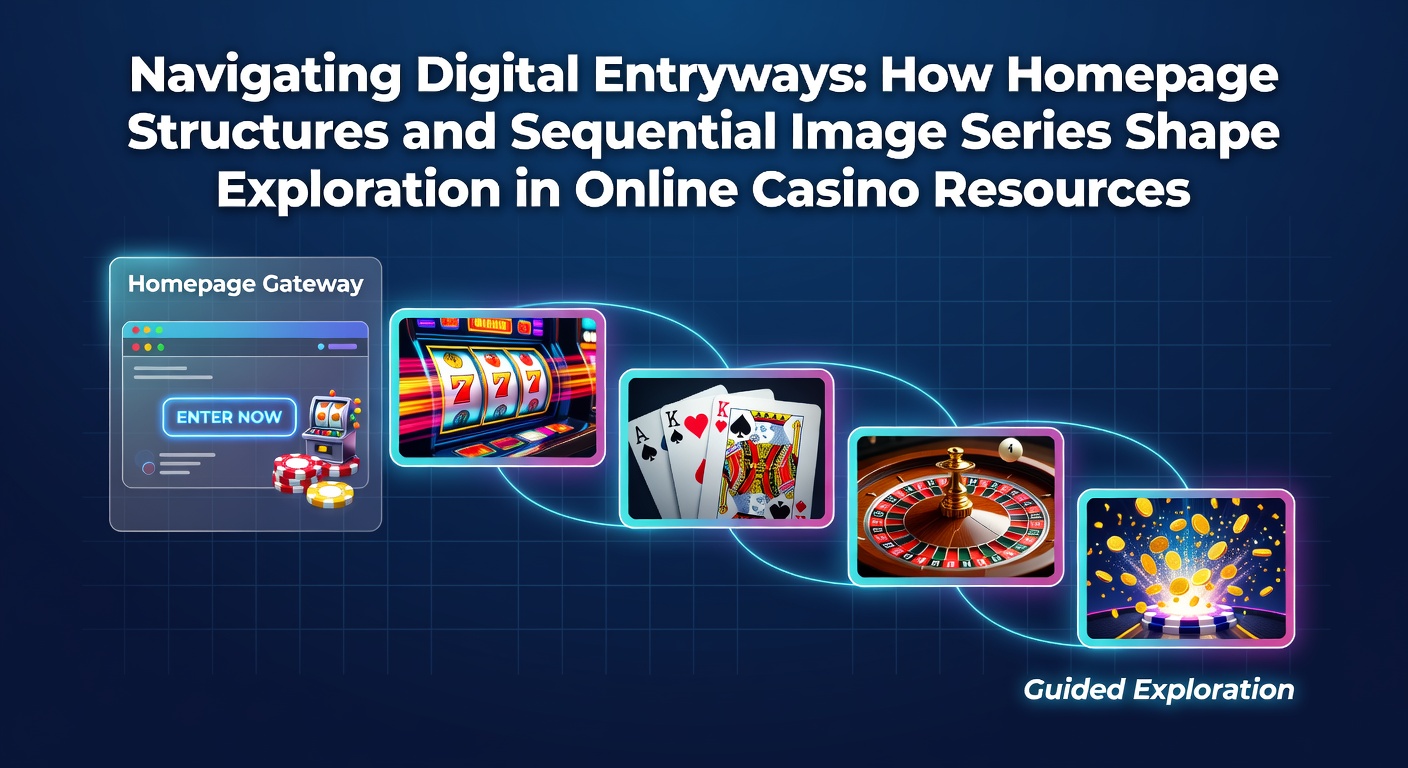
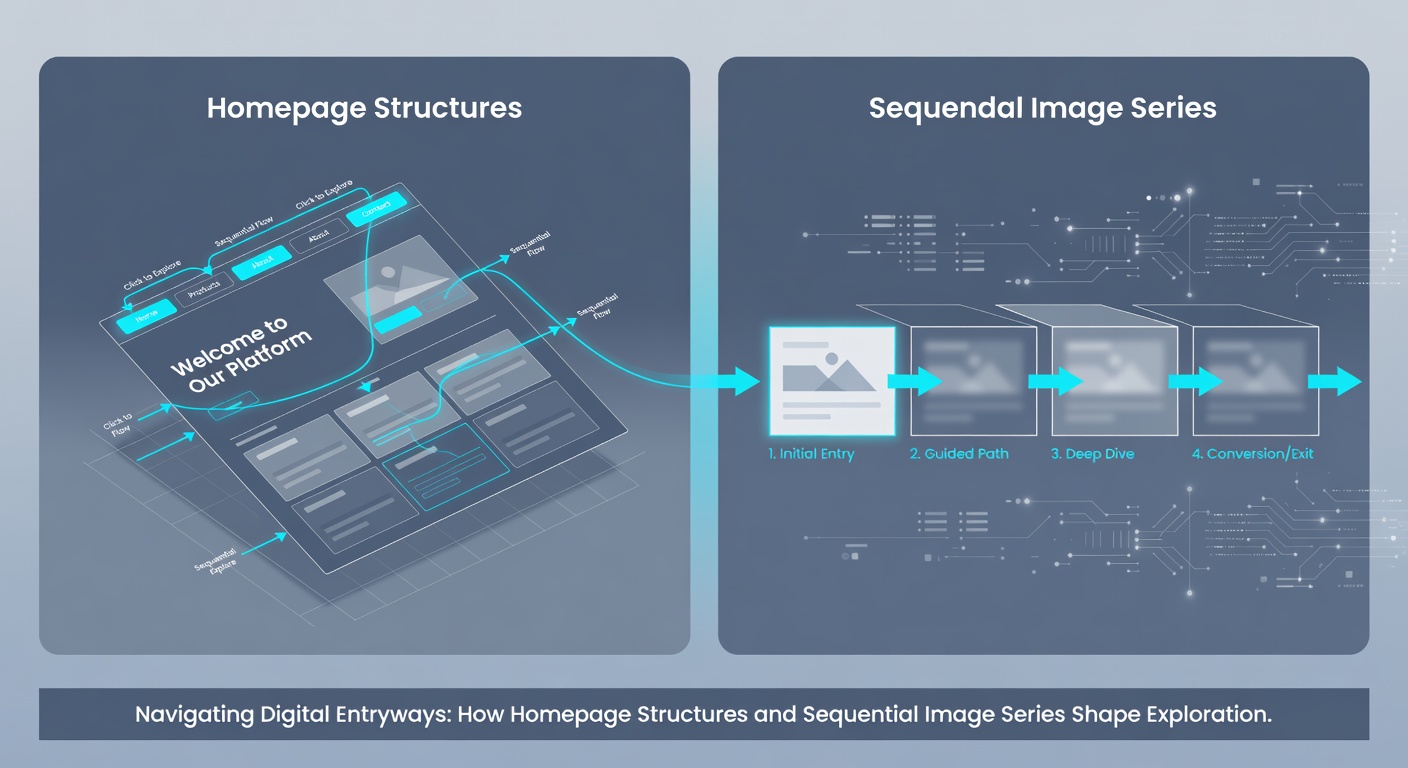
Homepage structures in online casino resources organize navigation through clear menus, prominent banners, and categorized sections that guide users from initial entry points toward game selections and account features, while sequential image series present visual progressions that highlight promotions, game themes, and user pathways in a structured order.
Core Elements of Homepage Architecture
Design teams arrange homepage layouts with fixed navigation bars at the top, central hero sections displaying rotating content, and sidebar or footer links that connect to regulatory information, support resources, and game libraries, creating pathways that prioritize accessibility and compliance with regional standards. Observers note that these arrangements often follow patterns established by platform developers who integrate search functions and filter options directly into the main view, allowing visitors to narrow selections based on game type, provider, or popularity metrics without additional clicks. Data from industry reports indicate that structured homepages reduce average time to first interaction by presenting categorized grids of games alongside account login prompts, which streamlines entry for returning users while directing new visitors toward registration sequences.
Role of Sequential Image Series in User Pathways
Sequential image series appear as carousels, progress indicators, or stepped visual narratives that unfold across multiple slides, each advancing a theme such as seasonal promotions or game introductions, and these sequences connect directly to underlying links that load specific sections or external game interfaces. Researchers have documented how the order of images influences click patterns, with initial slides typically featuring high-visibility promotions that lead into deeper exploration layers, while later images in the series reinforce themes through repeated visual motifs like symbols or character elements tied to particular titles. According to findings from the Nevada Gaming Control Board, platforms operating under state oversight incorporate these image flows to maintain consistent presentation standards that align with transparency requirements for bonus terms and game rules.
Integration of Navigation and Visual Sequences
Homepage structures combine static menu elements with dynamic image series to form layered exploration systems where users transition from broad overviews to targeted content, and this integration relies on responsive design principles that adapt layouts across desktop and mobile displays without disrupting the sequence flow. Those who've analyzed platform analytics report that image series placed below primary navigation menus often extend session durations by prompting continued scrolling, whereas sequences embedded within hero banners accelerate movement toward featured games through direct call-to-action overlays. In May 2026 regulatory updates from multiple jurisdictions are scheduled to emphasize clearer disclosure of image-linked content, requiring platforms to ensure sequential visuals include visible indicators for terms and conditions at each step.
Regional Variations in Design Approaches
Platforms licensed in different regions adapt homepage elements to local requirements, with European operators frequently incorporating sequential image series that progress through responsible gaming messages before reaching game grids, whereas North American sites emphasize direct links to state-specific verification tools within the main navigation structure. The Malta Gaming Authority guidelines outline expectations for visual content sequencing that maintain player orientation, and similar frameworks in Australian regulatory documents stress the placement of age verification prompts alongside introductory image flows. Data compiled by academic research groups at institutions tracking digital gambling interfaces show measurable differences in exploration depth across these regional designs, particularly in how image order correlates with progression rates through multi-page game catalogs.
Technical Considerations for Sequence Implementation
Developers implement sequential image series using lightweight scripting that supports smooth transitions and preload mechanisms, ensuring that homepage structures remain functional even when users disable certain visual effects or operate on limited bandwidth connections. These technical choices affect how exploration unfolds, with image sequences designed to pause or resume based on user scroll position rather than automatic timers in many current configurations. Observers note that testing protocols used by platform operators evaluate sequence performance through metrics such as completion rates for multi-slide progressions and subsequent navigation actions taken after viewing the full series.
Conclusion
Homepage structures and sequential image series together establish the primary mechanisms through which users enter and move within online casino resources, with design choices shaped by regulatory frameworks, technical capabilities, and observed interaction data across varied geographic markets. Continued refinements in these elements reflect ongoing adjustments to compliance standards and platform functionality as documented in reports from bodies like the Nevada Gaming Control Board and the Malta Gaming Authority.