Sequential Visual Narratives: Directing Exploration in Casino Resource Websites
Written by Jonas Sullivan · Aug 17, 2026
Sequential Visual Narratives: Directing Exploration in Casino Resource Websites
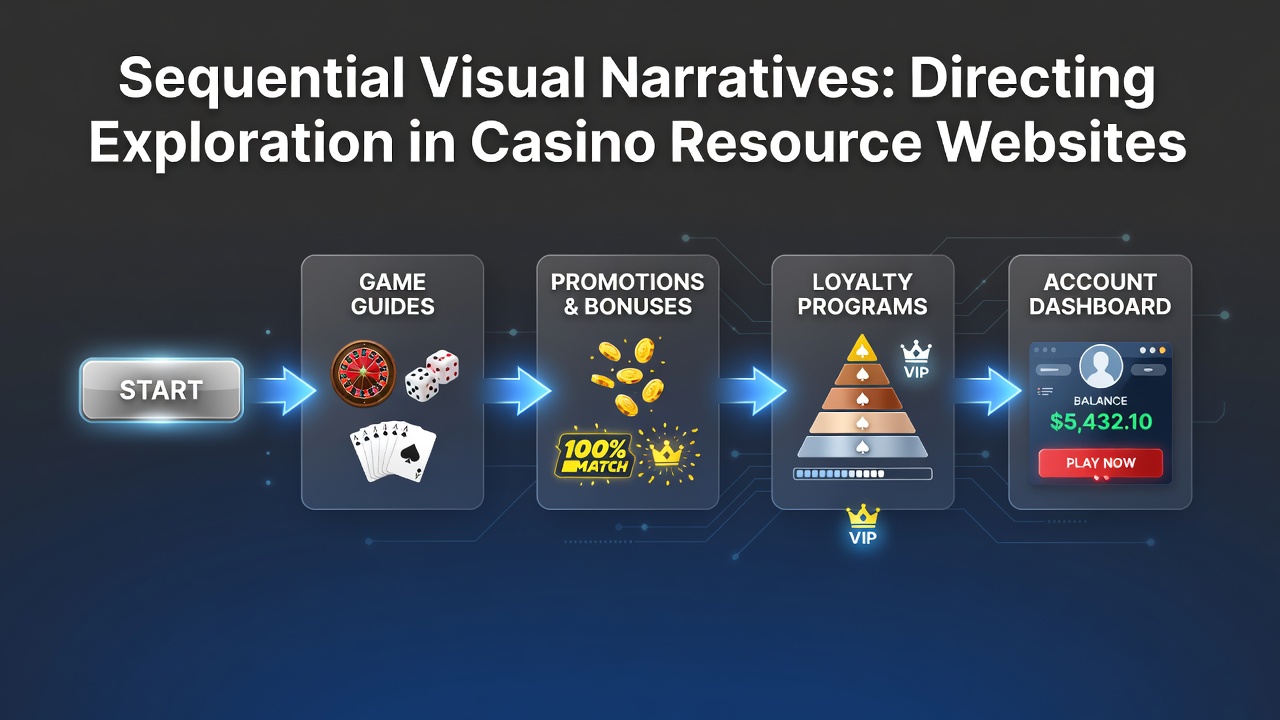
Sequential visual narratives appear across casino resource websites where structured image progressions and layered visual sequences steer visitor movement through content categories, and these patterns rely on homepage anchors that establish entry points before transitioning into thematic galleries. Researchers at institutions focused on digital media have documented how such sequences reduce navigation friction by presenting related visuals in ordered steps, and data from industry analyses show increased page depth when users follow these directed paths.
Homepage Anchors as Starting Points
Homepage structures on casino resource sites often position primary visual anchors at the top fold, and these elements introduce core themes such as game categories or regional casino highlights before any secondary content loads. Observers note that when an anchor image links directly to a progressive sequence, click-through rates climb because the visual cue matches the expected next layer of information. Studies compiled through 2025 by digital behavior labs indicate that sites employing three to five connected visuals in a single narrative flow retain visitors longer than those using static grids.
Progressive Image Series and User Pathways
Progressive image series function by advancing from broad overviews to specific details, and casino resource platforms apply this approach when moving visitors from welcome banners into detailed game breakdowns or venue spotlights. Each frame in the sequence carries contextual cues that signal the upcoming section, which allows users to anticipate content without additional text scanning. Figures released by North American gaming research groups reveal that sequential formats produce measurable lifts in session duration compared with random image placement, and similar patterns appear in reports covering European operator sites.
Take one platform that arranges its visual narrative around regional casino developments, and the first panel displays exterior shots while subsequent panels transition into interior layouts and current promotions. This ordering mirrors physical wayfinding in large venues, and analysts have tracked how the method translates to digital environments where users complete more category explorations before exiting.
Integration with Thematic Gallery Progressions
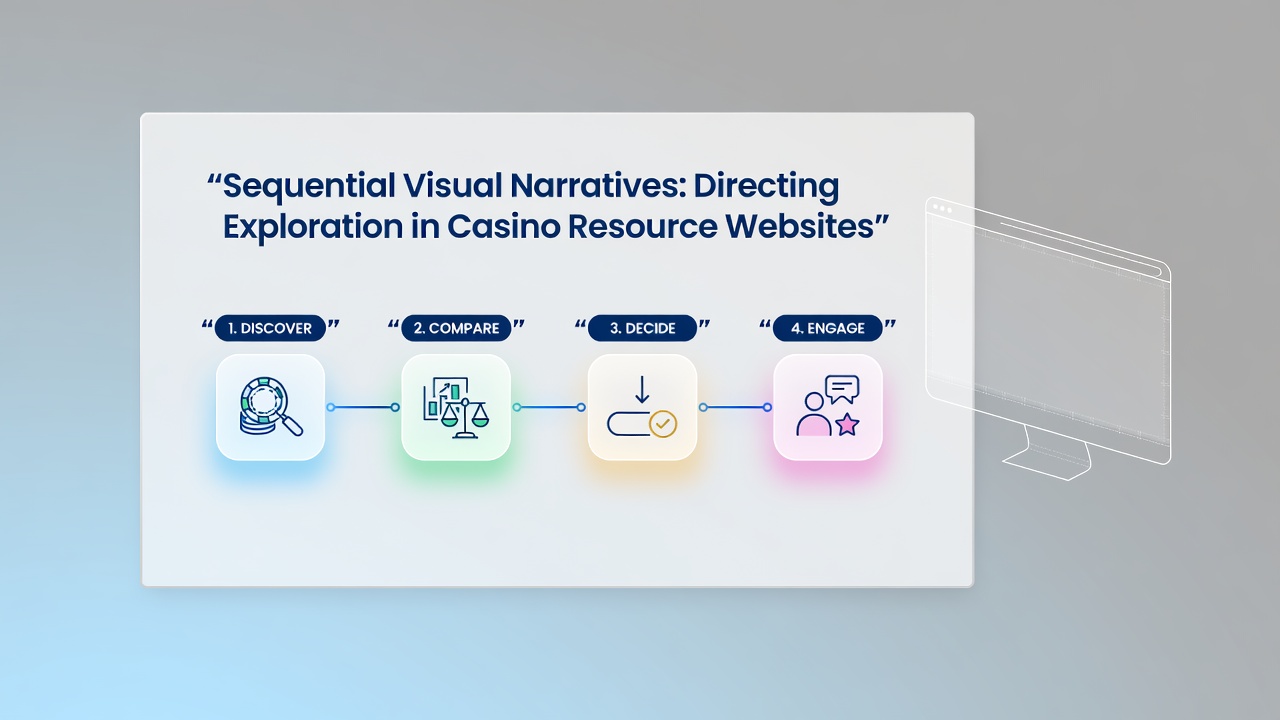
Thematic gallery progressions build on homepage foundations by extending the initial narrative into deeper subtopics, and casino resource websites frequently link these galleries through consistent visual motifs that maintain directional momentum. When a user selects an anchor, the system loads a new panel set that continues the established sequence rather than resetting orientation. Evidence collected by academic teams studying online navigation shows that consistent motif repetition across panels supports memory retention and reduces back-button usage.
One documented implementation pairs high-contrast lighting themes across multiple galleries so that color and composition carry the story forward even as subjects shift from slot machine close-ups to live dealer environments. Reports from the American Gaming Association highlight how such continuity aligns with broader trends in digital content delivery across entertainment sectors.
Measurement Approaches and Observed Outcomes
Operators track sequential narrative performance through heat-mapping tools and scroll-depth metrics, and these datasets indicate stronger engagement when panels load in predetermined orders versus user-controlled carousels. Canadian regulatory summaries on digital gaming platforms have noted parallel findings where structured visual flows correlate with higher interaction counts per visit. The same reports emphasize that abrupt visual breaks tend to increase bounce rates, prompting many sites to refine transition timing between images.
Additional observations come from university-led usability trials conducted in Australia, where participants navigated mock casino resource layouts and demonstrated faster task completion under sequential conditions. These trials further recorded that visitors who followed the intended visual path accessed more resource sections, including regulatory and support materials placed at the end of each narrative arc.
Conclusion
Sequential visual narratives continue to shape how casino resource websites organize and present information through deliberate image ordering and anchor-based entry points. Data gathered across multiple regions demonstrate consistent patterns of improved navigation efficiency when these structures remain intact, and ongoing refinements in gallery progression techniques reflect the same underlying principles observed in earlier studies. As platforms update their layouts, the emphasis stays on maintaining clear visual direction that guides users from initial discovery through detailed content layers without requiring external instructions.