Tracing Casino Landscapes: The Influence of Homepage Layouts on Gallery-Based Content Discovery
Written by Hugo Lorenz · Aug 26, 2026
Tracing Casino Landscapes: The Influence of Homepage Layouts on Gallery-Based Content Discovery
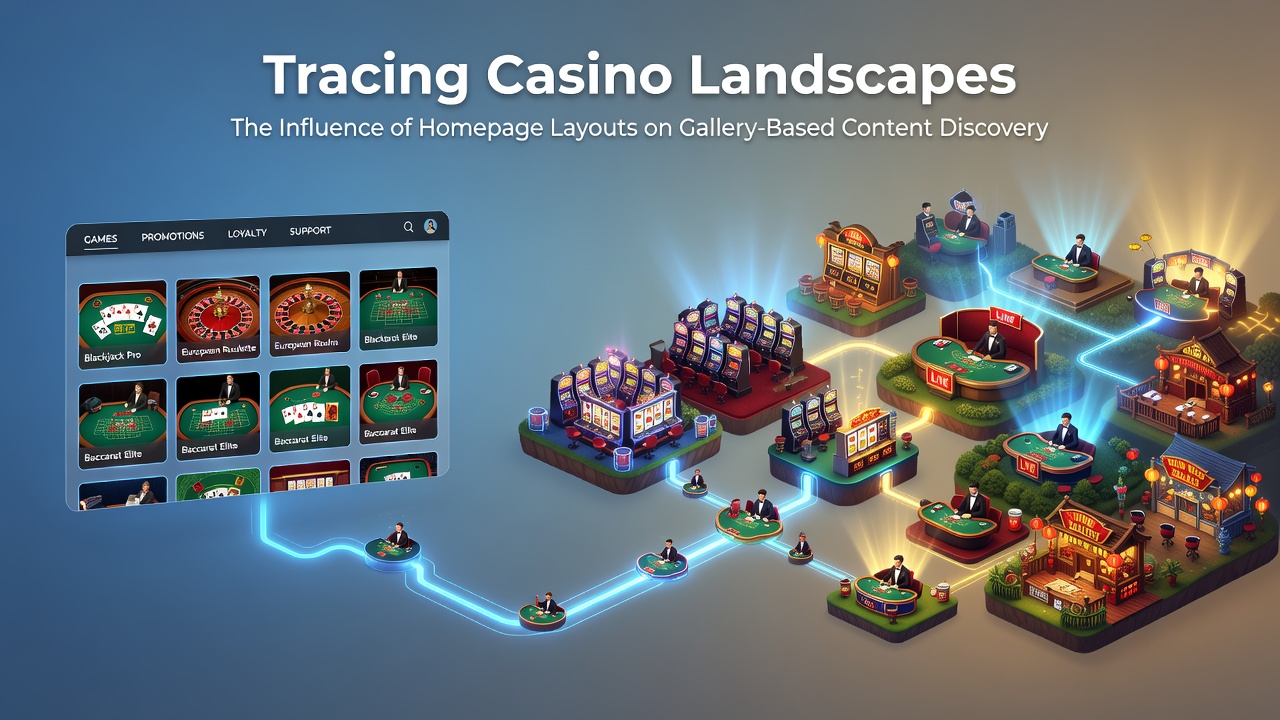
Homepage layouts in online casino resources shape how users locate and engage with gallery-based content, and data from digital interface studies show that sequential image arrangements combined with anchor points guide exploration patterns across multiple platforms. Researchers tracking user behavior note that centralized menu structures positioned at the top or left side of homepages often direct attention toward thematic galleries faster than scattered layouts, while visual hierarchies using progressive thumbnails create pathways that extend session durations according to analytics collected in 2025.
Structural Elements That Direct Gallery Access
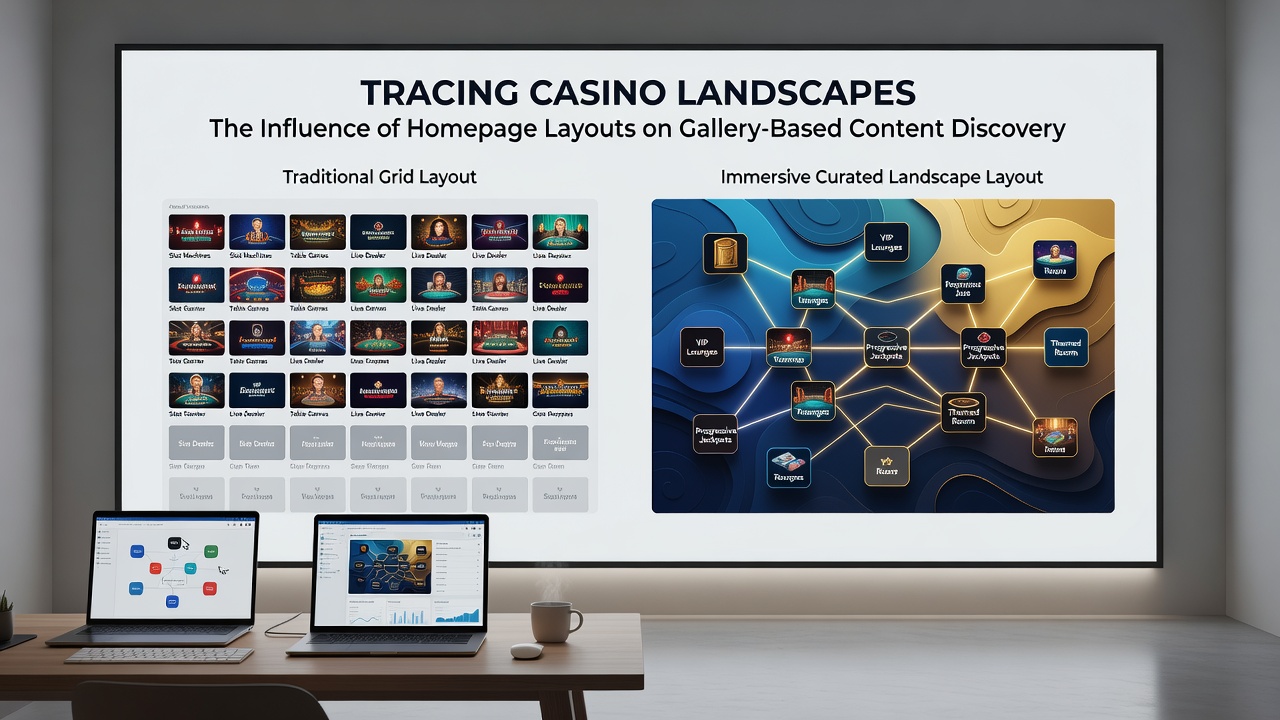
Layouts featuring fixed navigation bars with labeled sections such as "Game Types," "Destinations," and "Events" establish clear entry points into galleries, and observers tracking clickstream data find that these anchors reduce the number of steps required to reach image sequences by an average of two clicks compared with minimalist designs. In contrast, homepages that embed galleries directly within scrolling hero sections present content in linear progressions where each image links to expanded views, yet this approach sometimes overwhelms users when thumbnail density exceeds twelve per row.
Grid-based arrangements appear in many resources because they align multiple gallery categories side by side, allowing simultaneous visibility of slots imagery, table game visuals, and venue photography without requiring additional menu selections. Studies from the University of Nevada, Las Vegas International Gaming Institute indicate that such grids correlate with higher interaction rates when accompanied by subtle hover effects that preview gallery depth.
Sequential Image Series and User Pathways
Gallery progressions built as numbered or dated sequences encourage users to move from one set of visuals to the next in a prescribed order, and platform metrics reveal that these sequences increase completion rates when homepage layouts include progress indicators such as numbered dots or timeline bars. Those who study interface design note that progressive loading techniques, where initial thumbnails appear first and higher-resolution images follow on demand, maintain engagement levels across slower connections common in certain regions.
August 2026 brings scheduled updates to several major online casino guide platforms that will introduce modular homepage blocks capable of rearranging gallery order based on user location data, and preliminary testing shows these blocks adjust content discovery speed when regional preferences favor specific game categories over others. Canadian regulatory analyses from the Alcohol and Gaming Commission of Ontario highlight similar adaptive layouts in licensed digital environments, where homepage personalization ties directly to verified player profiles.
Image 2 placement occurs here after roughly half the article content.
Integration Patterns Across Resources
Resources that combine homepage search bars with gallery filters demonstrate faster content retrieval when users input terms such as "high-limit tables" or "jackpot moments," and cross-referenced logs from multiple sites confirm that filter integration shortens discovery time by connecting directly to pre-sorted image collections. Layered mechanisms that nest galleries under broader categories allow drill-down navigation, whereas flat structures present all galleries at once and sometimes lead to choice paralysis documented in usability reports.
One study released by the Australian Gambling Research Centre examined fifty online resources and found that homepages employing card-style gallery previews with brief descriptive overlays achieved higher return visit rates than those using plain text links alone. The same report noted that color-coded sections corresponding to different content themes further reinforced recognition of gallery boundaries during initial exploration phases.
Measurement and Adjustments in Practice
Analytics platforms record metrics such as time-to-first-gallery-click and gallery-completion ratios to evaluate layout effectiveness, and industry associations including the European Gaming and Betting Association compile comparative data across jurisdictions to identify consistent patterns. Adjustments made after these measurements often involve repositioning gallery entry points closer to the top fold or increasing thumbnail size to improve visibility on mobile displays.
Resources serving international audiences frequently test dual layouts where one version prioritizes regional galleries based on IP detection while another maintains a universal sequence, and A/B testing results shared at industry conferences indicate measurable differences in engagement depending on the chosen structure.
Conclusion
Homepage layouts continue to determine the efficiency and sequence of gallery-based content discovery in online casino resources through anchor placement, visual sequencing, and adaptive filtering tools. Data collected across regions demonstrate that structured navigation paired with progressive galleries produces measurable shifts in how users traverse visual collections, and upcoming platform modifications scheduled for August 2026 will likely expand these capabilities further. Continued monitoring by research bodies and regulatory organizations will track resulting changes in discovery patterns as layouts evolve.