Visual Pathway Systems: Routing User Journeys from Hub Points Through Tiered Image Collections in Gaming Archives
Written by Hugo Lorenz · Jun 24, 2026
Visual Pathway Systems: Routing User Journeys from Hub Points Through Tiered Image Collections in Gaming Archives
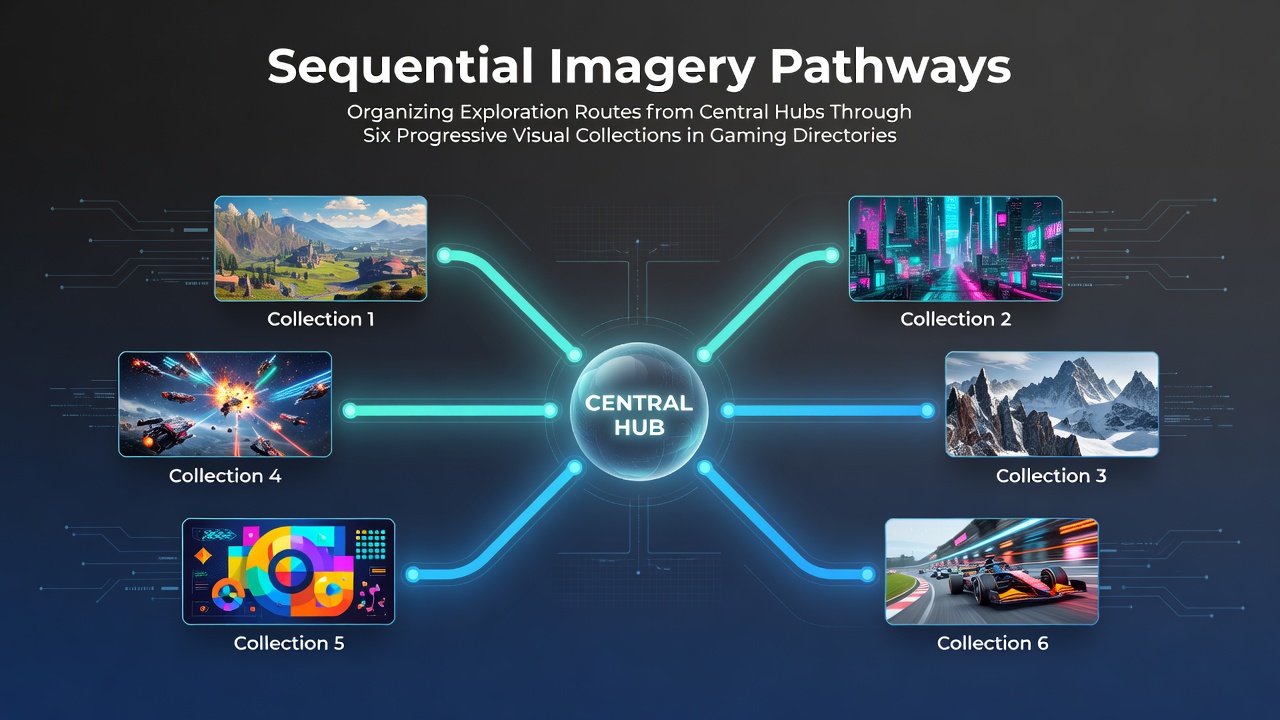
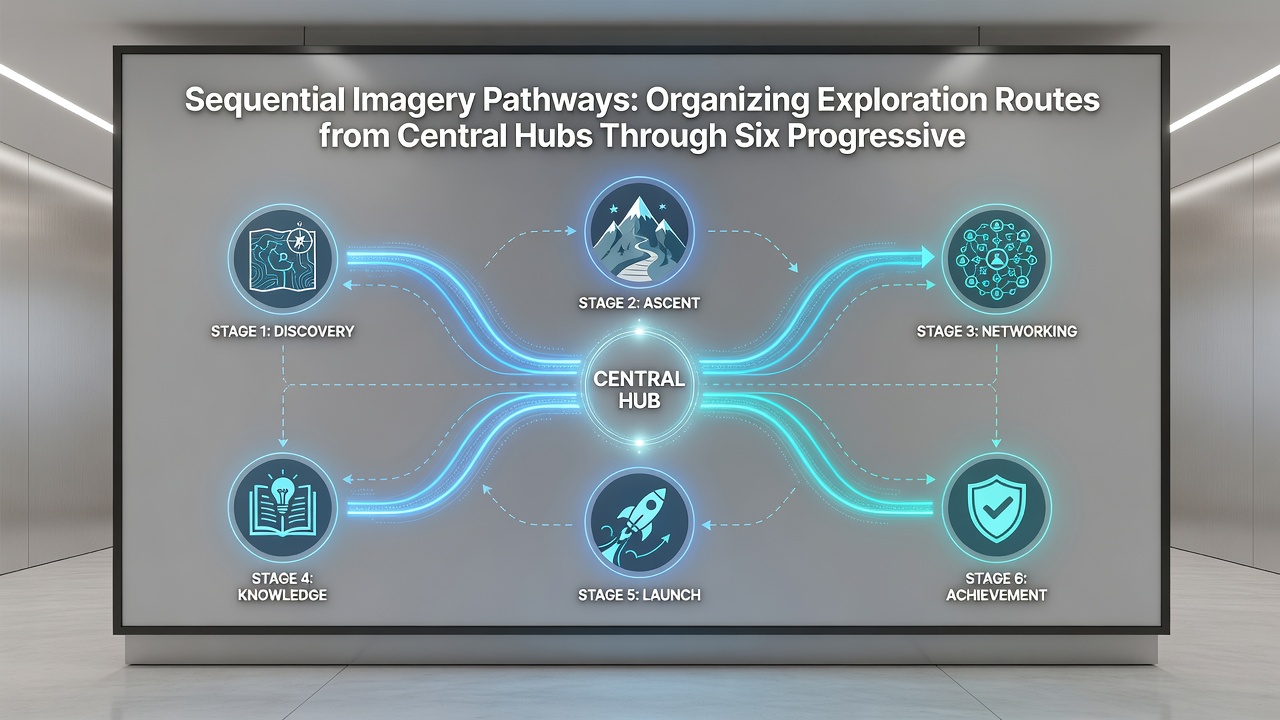
Digital resource platforms dedicated to gaming information have developed structured methods for guiding users through visual content, and sequential imagery pathways represent one established approach that begins at centralized navigation points before progressing through organized visual sets. These systems arrange exploration routes so that visitors encounter images in a deliberate order, moving from an initial hub into six distinct progressive collections that build thematic depth while maintaining logical connections across sections. Observers note that this format appears in multiple online directories where content managers prioritize user flow from broad overviews into specialized visual groupings.
Central Hubs as Starting Points
Central hubs function as the primary entry nodes within these directory structures, and they typically feature overview graphics that introduce the broader collection before directing attention toward the first visual sequence. Research from industry analysts shows that hubs often incorporate interactive elements such as clickable maps or category selectors that initiate movement into the initial image collection, which might focus on foundational venue layouts or equipment overviews. Data from navigation studies indicates that users who begin at these hubs complete more sections of the pathway compared to those entering at later stages, because the hub establishes context that supports continued progression through subsequent collections.
The Six Progressive Visual Collections
The first collection usually presents introductory imagery that establishes baseline context, while the second shifts toward operational details such as table configurations or machine arrangements. Collection three commonly expands into environmental elements like lighting schemes and spatial design, and collection four narrows focus to participant interactions within those spaces. The fifth collection often highlights specialized zones such as private gaming areas or event spaces, whereas the sixth and final collection delivers close-up documentation of unique features or recent updates. Those who have examined directory architectures report that this six-stage progression creates measurable differences in how long visitors remain engaged with the material, particularly when each collection maintains visual continuity with the preceding set.
Implementation Patterns in Gaming Resources
Directory administrators apply these pathways across platforms that cover both land-based and digital gaming environments, and the structure allows for regional adaptations where certain collections receive additional images based on local regulatory requirements or venue characteristics. In June 2026 several major directories updated their hub interfaces to improve mobile compatibility while preserving the six-collection sequence, according to reports from gaming technology conferences. External tracking tools integrated into these systems record click patterns that demonstrate consistent movement from hub to collection one, then onward through the remaining sets when visual cues remain aligned across transitions.
Technical Organization Methods
Developers achieve sequential flow through metadata tagging that assigns each image to a specific collection and position within the overall route, and this tagging enables automated progression features that suggest the next set once a user reaches the end of the current collection. Content management systems supporting these pathways often include analytics modules that measure completion rates across the six stages, and figures from multiple platform audits reveal higher retention when collections incorporate cross-references back to teh central hub. Academic examinations of user navigation in information-rich websites have identified similar sequential models in non-gaming contexts, yet gaming directories apply them with particular emphasis on visual progression because imagery forms the primary content type.
Comparative Approaches Across Jurisdictions
Regulatory bodies in different regions influence how these pathways appear in public-facing directories, and examples from the Nevada Gaming Control Board resources demonstrate emphasis on venue compliance imagery within later collections. Australian state gaming authorities have published directory guidelines that encourage clear sequencing for consumer information materials, while Canadian provincial commissions maintain archives where central hubs link directly into progressive visual sets covering both historical and current facilities. Industry organizations such as the American Gaming Association have documented best practices for digital resource organization that align with these six-stage models, noting improved accessibility when pathways incorporate consistent visual markers between collections.
Future Developments and Maintenance
Platform maintainers continue refining these systems as new imaging technologies become available, and updates scheduled for late 2026 aim to incorporate higher-resolution assets while retaining the established hub-to-collection structure. Observers tracking directory evolution report that successful implementations balance the need for comprehensive coverage across all six collections with the requirement to keep load times reasonable, particularly when users access resources through varying connection speeds. Those maintaining such archives often conduct periodic reviews to ensure each progressive set remains thematically distinct yet connected to the central hub through recurring visual elements.
Conclusion
Sequential imagery pathways provide gaming directories with a repeatable framework for organizing visual content from central hubs through six progressive collections, and this method supports structured exploration that adapts across different regulatory environments and platform types. Evidence from navigation data and platform updates shows sustained application of these routes as directories expand their visual archives while preserving the core progression model.